Your HVAC system is the single most expensive mechanical system in your home and most homeowners have no idea how it actually works until something breaks. This guide explains exactly what an HVAC system is, how heating and cooling work step by step, what each component does, and how to keep your system running efficiently for years. By the end, you will know more than enough to have an informed conversation with any contractor.
What Is an HVAC System?
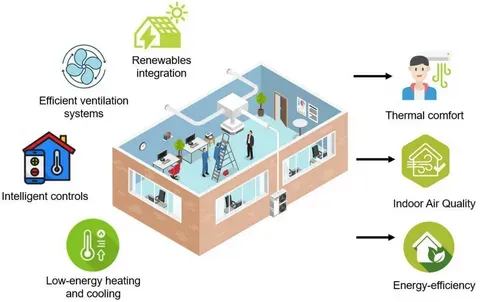
HVAC stands for Heating, Ventilation, and Air Conditioning. It refers to the combined system that controls the temperature, humidity, and air quality inside your home year-round.
In simpler terms: it is the equipment that keeps you warm in winter, cool in summer, and breathing clean air all year long.
A complete home HVAC system typically includes:
A furnace or heat pump for heating
A central air conditioner or heat pump for cooling
An air handler or blower to move air through the home
Ductwork to distribute conditioned air to every room
A thermostat to control everything
Modern HVAC systems are designed to run as a single connected system, even though the components may look separate. Understanding how they work together helps you spot problems early and avoid expensive repairs.
The average US home HVAC system costs between $5,000 and $12,500 to replace fully. That alone is reason enough to understand what you own. For a full breakdown, see our HVAC installation and repair costs guide across the USA.

Main Components of an HVAC System
Every home HVAC system whether it is a central system, a split system, or a ductless mini-split is built around the same core components. Here is what each one does:
Compressor
The compressor is the heart of your air conditioning system. It is located in the outdoor unit and its job is to pressurize the refrigerant — the chemical fluid that carries heat in and out of your home.
When the compressor runs, it squeezes refrigerant gas into a high-pressure, high-temperature state so it can release heat outside. Without a working compressor, your AC produces no cooling at all. Compressor replacement is one of the most expensive HVAC repairs, typically costing $800 to $2,500.
Condenser Coil
The condenser coil sits inside the outdoor unit alongside the compressor. After the compressor pressurizes the refrigerant, the condenser coil releases that heat into the outside air. A fan blows outdoor air across the coil to accelerate this process.
A dirty or damaged condenser coil is one of the most common reasons an AC system underperforms in summer. Keeping it clean is one of the easiest maintenance tasks a homeowner can do.
Evaporator Coil
The evaporator coil is the indoor counterpart to the condenser coil. It sits inside the air handler or furnace cabinet and does the opposite job it absorbs heat from your indoor air, effectively cooling it down before the air is distributed through your home.
As warm air passes over the cold evaporator coil, moisture in the air condenses on the coil surface (just like a cold glass of water sweats on a hot day). This is how your HVAC system also controls indoor humidity.
Air Handler and Blower
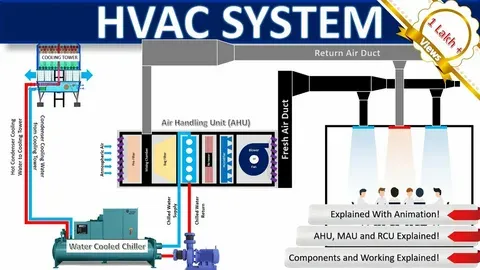
The air handler contains the blower motor, which is the fan that circulates air throughout your home. It pulls return air from your living spaces through the return vents, passes it over the evaporator coil or heat exchanger, and then pushes conditioned air back out through the supply vents and ductwork.
The blower runs during both heating and cooling cycles.
Thermostat
The thermostat is the brain of your HVAC system. It reads the current indoor temperature and signals the heating or cooling equipment to turn on or off based on your settings.
Modern smart thermostats (like Nest or Ecobee) can learn your schedule, adjust settings remotely, and reduce energy consumption by 10 to 15 percent annually. Upgrading to a smart thermostat is one of the highest-return HVAC investments a homeowner can make, typically costing $150 to $300 installed.
Ductwork
Ductwork is the network of metal or flexible tubes that carries conditioned air from the air handler to every room in your home. Return ducts pull air back to the system; supply ducts push treated air out.
Leaky or poorly insulated ductwork is one of the most overlooked sources of energy waste in American homes. The US Department of Energy estimates that the average home loses 20 to 30 percent of conditioned air through duct leaks.
Air Filter
The air filter traps dust, pollen, pet dander, and other airborne particles before they enter the system. A clogged filter is the single most common cause of HVAC problems and the easiest to prevent. Most filters need replacing every 1 to 3 months depending on usage and household conditions.

How Heating Works
When your thermostat detects that the indoor temperature has dropped below your set point, it signals the heating system to turn on. Here is what happens next in a gas furnace system, which is the most common type in the US:
The furnace ignites a gas burner, which heats a metal component called the heat exchanger.
The blower motor pulls return air from your home and passes it over the hot heat exchanger.
The air picks up heat without ever touching the combustion gases (which exit safely through the flue).
The now-warm air is pushed through the supply ducts and out of the vents in each room.
Once the thermostat reads that the target temperature is reached, the furnace shuts off.
In a heat pump system, heating works differently the system reverses the refrigeration cycle to pull heat energy from outside air (even cold air contains heat energy) and move it indoors. Heat pumps are highly efficient in moderate climates but may require a backup electric or gas heat source in very cold regions.
How Cooling Works
Cooling is essentially a heat removal process. Your AC system does not create cold air — it removes heat from your indoor air and transfers it outside. Here is the step-by-step process:
The thermostat signals the air conditioner to start when indoor temperature exceeds your set point.
The indoor blower pulls warm room air over the cold evaporator coil.
The refrigerant inside the evaporator coil absorbs heat from the air, causing the air temperature to drop.
The now-cool air is blown back into your home through the supply ducts.
Meanwhile, the refrigerant (now carrying the heat it absorbed) travels to the outdoor unit.
The compressor pressurizes the refrigerant, raising its temperature even higher.
The condenser coil releases that heat into the outside air.
The refrigerant cools back down, returns indoors, and the cycle repeats.
This continuous loop runs until your home reaches the target temperature and the thermostat shuts the system off.
The efficiency of this process is measured by the SEER2 rating (Seasonal Energy Efficiency Ratio). Higher SEER2 ratings mean lower electricity bills. As of 2023, federal law requires a minimum SEER2 of 13.4 for new systems in most US regions.
Ventilation Explained
Ventilation is the V in HVAC and it is the most overlooked part of the system. It serves two critical functions:
Fresh air supply: Modern homes are tightly sealed for energy efficiency, which means without intentional ventilation, indoor air can become more polluted than outdoor air. The ventilation system brings in fresh outdoor air and exhausts stale indoor air.
Air quality control: Ventilation works alongside air filtration and sometimes UV light systems to reduce allergens, bacteria, volatile organic compounds (VOCs), and excess humidity.
In most residential systems, ventilation happens through a combination of the return air system, exhaust fans (kitchen and bathrooms), and in newer or high-performance homes, an Energy Recovery Ventilator (ERV) or Heat Recovery Ventilator (HRV) that exchanges indoor and outdoor air efficiently without wasting conditioned energy.
Poor ventilation is a major contributor to respiratory problems, mold growth, and high indoor humidity all of which can also damage your HVAC system over time.

Types of HVAC Systems
Not all homes use the same type of HVAC system. Here are the most common configurations you will encounter:
Central HVAC System
The most common setup in American homes. A single furnace or air handler located in a basement, attic, or utility closet conditions air for the entire home and distributes it through ductwork. One thermostat typically controls the whole house.
Best for: larger homes with existing ductwork. Average replacement cost: $5,000 to $12,500.
Split System HVAC
A split system separates the cooling components into two units — one indoors (air handler + evaporator coil) and one outdoors (compressor + condenser). They are connected by refrigerant lines running through the wall.
Most central air conditioning systems in the US are split systems. The term is often used interchangeably with central HVAC, though technically a split system refers specifically to this two-unit configuration.
Best for: homes with existing ductwork. Average replacement cost: $4,500 to $10,000.
Ductless Mini-Split System
A ductless mini-split system has the same two-unit structure as a split system (outdoor compressor + indoor air handler) but requires no ductwork at all. Individual wall-mounted units are installed in each zone or room you want to condition.
Mini-splits are extremely efficient and allow room-by-room temperature control. They are ideal for home additions, older homes without ductwork, garages, and condos.
Best for: homes without ductwork, room additions, zone control. Average cost: $1,500 to $5,000 per zone.
Heat Pump System
A heat pump is a system that can both heat and cool your home by reversing the refrigeration cycle. In summer it works like a standard AC. In winter it extracts heat from outside air and moves it indoors.
Heat pumps are highly energy-efficient in climates where winter temperatures rarely drop below 25°F. In colder climates, they are often paired with a gas furnace backup (called a dual-fuel system).
Best for: moderate climates (Southeast, Pacific Northwest, mild Midwest). Average replacement cost: $5,500 to $11,000.
Packaged System
A packaged system houses all components (compressor, condenser, evaporator, and air handler) in a single outdoor cabinet, usually mounted on the roof or ground beside the home. The conditioned air is ducted directly into the home.
Packaged systems are common in warmer Sun Belt states, mobile homes, and commercial buildings.
Common HVAC Problems Homeowners Face
Understanding your system makes it much easier to identify problems before they become expensive. Here are the most frequent issues:
System blowing warm air in cooling mode: Usually caused by low refrigerant (a leak), a dirty evaporator coil, or a failed compressor. Do not ignore this refrigerant leaks require professional repair.
System not turning on: Check your thermostat batteries and settings first. Then check the circuit breaker. If both are fine, the issue is likely a failed capacitor, contactor, or control board.
Short cycling (turning on and off frequently): This is often caused by an oversized system, a dirty air filter, or a refrigerant leak. Short cycling wastes energy and dramatically shortens system life.
Unusual noises: Banging or clanking usually indicates a loose or broken component inside the unit. Squealing often means a worn belt or bearing. Hissing can indicate a refrigerant leak. None of these should be ignored.
High energy bills with reduced comfort: Almost always caused by either a dirty air filter, refrigerant loss, duct leaks, or an aging system operating well below its original efficiency.
Ice forming on the unit: Ice on the evaporator coil or refrigerant lines during cooling season indicates restricted airflow (dirty filter or blocked vents) or low refrigerant. Turn the system off and call a technician.
For a detailed breakdown of what these repairs cost and when to replace versus repair, read our full HVAC repair vs replacement cost guide and our repair or replace HVAC system 2026 cost analysis.
HVAC Maintenance Tips Every Homeowner Should Follow
Regular maintenance is the difference between a system that lasts 20 years and one that fails at 12. Here is HVAC InstallationCost Calculator 2026 Follow this schedule:
Monthly:
Check and replace the air filter if dirty (use a MERV 8 to MERV 11 filter for most homes)
Clear debris from around the outdoor unit (leaves, grass, dirt)
Check that all supply and return vents are open and unobstructed
Every 6 months:
Clean the condensate drain line with a cup of distilled vinegar to prevent clogs and water damage
Inspect visible ductwork for obvious leaks or disconnected joints
Test your thermostat by running both heating and cooling modes manually
Annually (professional service):
Have a licensed HVAC technician perform a full tune-up including refrigerant check, coil cleaning, electrical inspection, and efficiency test
Clean the evaporator and condenser coils professionally if needed
Lubricate blower motor bearings
Check and tighten all electrical connections
Annual professional maintenance typically costs $75 to $200 and can extend system life by 3 to 5 years while reducing energy bills by 5 to 15 percent. For a detailed comparison of service options, read our guide on HVAC maintenance plans vs one-time tune-ups.
HVAC System Cost Overview
Here is a quick reference for what different HVAC services and upgrades cost in 2026 across the US:
Service | Average Cost Range |
|---|---|
Annual tune-up / maintenance visit | $75 – $200 |
Minor repair (capacitor, contactor, thermostat) | $150 – $500 |
Major repair (compressor, coil replacement) | $800 – $2,500 |
Full system replacement (central AC + furnace) | $5,000 – $12,500 |
Ductless mini-split installation (per zone) | $1,500 – $5,000 |
Smart thermostat installation | $150 – $350 |
Air duct cleaning | $300 – $700 |
Costs vary significantly by city, system size, and brand. For city-specific pricing, see our Dallas HVAC installation cost guide, our Phoenix HVAC system costs guide, and our average home repair costs in the USA 2026.
You can also use our free HVAC cost calculator to get an instant estimate for your specific city and system type.
Many homeowners are also unaware that significant rebates exist for upgrading to a new high-efficiency system. Federal tax credits and utility rebates on new HVAC systems can reduce your out-of-pocket cost by $200 to $2,000. Always ask your contractor about available incentives before committing to a purchase. Financing options are also widely available many contractors offer 0% interest periods of 12 to 24 months on new system installations.

Find Local HVAC Services Near You
Now that you understand how your HVAC system works, the next step is finding a qualified contractor you can trust. The biggest mistake homeowners make is calling the first company that comes up in a search and accepting their quote without comparison.
Use our local HVAC contractor directory to find licensed, reviewed HVAC professionals in your city. Our listings cover 1,500+ cities across all 50 states with real contractor profiles and verified contact information.
Before you call anyone, read our guide on how to choose a reliable home contractor it will save you from the most common hiring mistakes.
Frequently Asked Questions
Q: What does HVAC stand for? A: HVAC stands for Heating, Ventilation, and Air Conditioning. It refers to the complete system that controls temperature, humidity, and air quality inside a home or building.
Q: How long does a home HVAC system last? A: A well-maintained central air conditioner or furnace typically lasts 15 to 20 years. Heat pumps generally last 10 to 15 years. Mini-split systems can last 20 years or more with proper maintenance. Regular annual servicing is the biggest factor in extending lifespan.
Q: What is the difference between a split system and a mini-split? A: Both have an indoor and outdoor unit. A split system uses ductwork to distribute air throughout the home from a central air handler. A mini-split (ductless) has no ductwork — instead, individual wall-mounted units are installed in each room or zone, allowing independent temperature control per area.
Q: How do I know if my HVAC system needs to be replaced? A: The clearest signs are: the system is over 15 years old, energy bills have been climbing steadily, you have had two or more major repairs in the past three years, or the repair quote exceeds 50% of the cost of a new system. Our HVAC repair vs replacement guide covers this decision in detail with a city-by-city cost comparison.
Q: What is a good SEER2 rating for a new HVAC system? A: The federal minimum is SEER2 13.4 for most US regions. A rating of 15 to 16 SEER2 offers a strong balance of upfront cost and energy savings. Systems rated 18 SEER2 and above are premium-tier and best suited for hot climates like Texas, Arizona, and Florida where the AC runs heavily for 6 or more months per year.
Q: Can I get rebates on a new HVAC system? A: Yes. The federal Inflation Reduction Act provides tax credits of up to $2,000 for qualifying heat pump installations. Many state and local utility companies offer additional rebates on new HVAC systems, often ranging from $200 to $1,500. Ask your contractor for a full list of available incentives in your area before signing any contract.
Want to go deeper? Read our complete guide on what it really costs to own a home in 2026 including HVAC, roofing, plumbing, and all the hidden expenses most buyers never see coming.