When your air conditioner fails during a scorching Dallas summer where temperatures regularly exceed 100°F, replacing your HVAC system isn't just about comfort it's essential for survival. But understanding HVAC installation costs in Dallas can feel overwhelming, with prices varying dramatically based on system type, home size, and installation complexity.
This comprehensive guide breaks down everything Dallas homeowners need to know about HVAC installation costs in 2026, helping you make informed decisions and avoid overpaying for your new system.
What's the Average Cost of HVAC Installation in Dallas?
HVAC installation in Dallas typically ranges from $3,000 to $12,000+ for standard residential projects. However, the final price depends heavily on several factors unique to your home and chosen system.
Basic Cost Breakdown
Basic AC Replacement (Like-for-Like): $3,700 - $7,400
Direct replacement of existing unit
No ductwork modifications needed
Standard efficiency models
Minimal electrical work required
Full Central AC System Installation: $6,700 - $12,000
New indoor and outdoor units
Standard ductwork in good condition
Mid-efficiency SEER ratings
Professional installation with warranty
Complete System with New Ductwork: $10,000 - $20,000+
Full HVAC system replacement
New ductwork installation throughout home
High-efficiency equipment
Electrical upgrades and zoning options
According to The Home Depot's Dallas installation data, a recent project in the 75215 zip code cost $22,497 for a premium Carrier system with extended warranties, demonstrating how costs can escalate with high-end equipment and comprehensive coverage.
Understanding HVAC System Types and Costs
1. Standard Split System (AC + Furnace)
Average Cost: $7,000 - $10,000
The most common HVAC configuration in Dallas homes combines a central air conditioner with a gas or electric furnace. While Dallas winters are mild, having heating capability remains essential for those occasional freezing nights.
What's included:
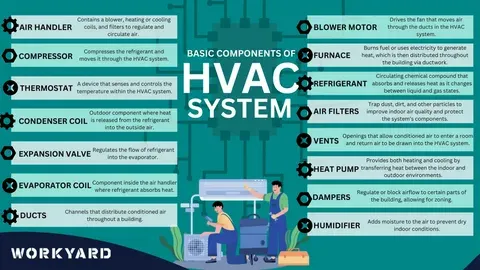
Outdoor condenser unit
Indoor air handler or furnace
Evaporator coil
Standard thermostat
Basic installation labor
2. Heat Pump Systems
Average Cost: $8,000 - $12,000
Heat pumps provide both heating and cooling in a single unit, making them energy-efficient options for Dallas's climate. They work exceptionally well in moderate climates and can significantly reduce energy bills.
Benefits for Dallas homeowners:
Lower operating costs year-round
Efficient heating during mild winters
Excellent cooling performance in summer
Environmentally friendly operation
3. Ductless Mini-Split Systems
Average Cost: $5,000 - $10,000 (single zone)
Perfect for home additions, older homes without ductwork, or specific room cooling needs. Each additional zone typically adds $1,500 - $3,000 to the total cost.
Ideal situations:
Historic Dallas homes without existing ducts
Room additions or converted garages
Multi-family properties
Homes requiring zone control
4. High-Efficiency Systems
Average Cost: $9,500 - $20,000+
Premium systems with SEER2 ratings of 16+ or AFUE ratings above 95% carry higher upfront costs but deliver substantial long-term energy savings—crucial in Dallas where AC runs nearly year-round.
Key Factors Affecting HVAC Installation Costs in Dallas
Home Size and System Capacity
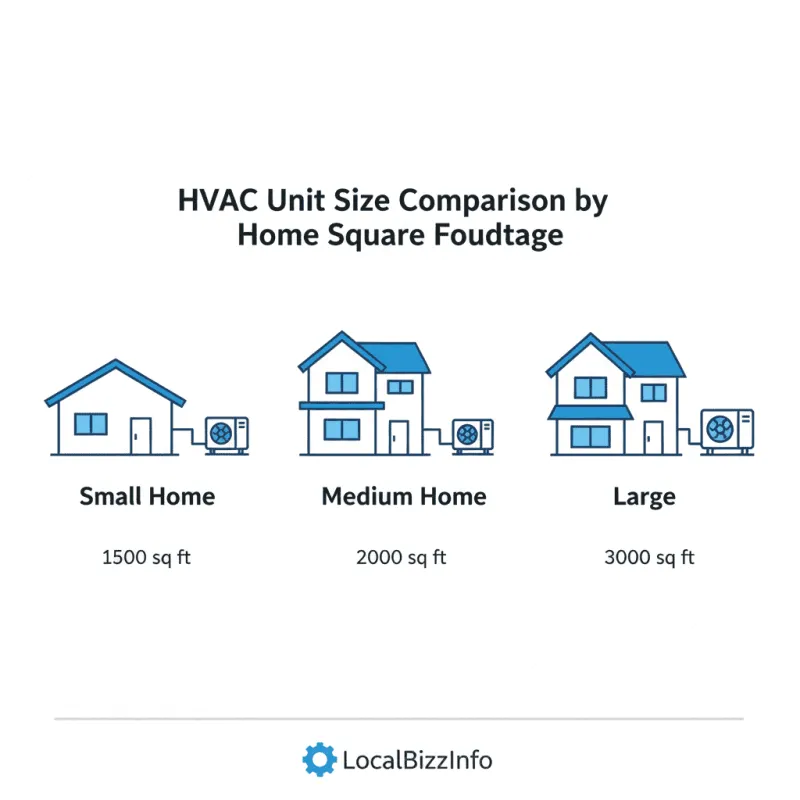
Your home's square footage directly determines the system size (tonnage) you'll need. Dallas HVAC contractors typically recommend:
Home Size | Recommended Tonnage | Estimated Cost Range |
|---|---|---|
1,000-1,500 sq ft | 1.5-2 tons | $3,500 - $6,000 |
1,500-2,000 sq ft | 2-3 tons | $4,500 - $7,500 |
2,000-2,500 sq ft | 3-3.5 tons | $5,000 - $8,500 |
2,500-3,000 sq ft | 3.5-4 tons | $6,500 - $9,500 |
3,000+ sq ft | 4-5+ tons | $8,000+ |
According to Modernize's 2025 data, a 2,000 sq ft home in the Houston area (comparable to Dallas) averages $4,500 - $7,500 for central AC replacement.
Energy Efficiency Ratings (SEER2/AFUE)
Higher efficiency means higher upfront costs but lower monthly bills—a crucial consideration in Dallas where cooling costs dominate utility bills.
SEER2 Rating Impact:
Standard efficiency (14-15 SEER2): Base cost
Mid-efficiency (16-18 SEER2): Add $1,000 - $2,000
High-efficiency (18+ SEER2): Add $2,000 - $4,000
Real-world example: A homeowner upgrading from a 10-SEER unit to an 18-SEER2 system could save $500+ annually on cooling costs—recovering the premium investment within 4-6 years.
Ductwork Conditions and Replacement
Existing ductwork condition significantly impacts total project cost. Many Dallas homes built before 2000 have leaky or inadequate ductwork that wastes 20-30% of conditioned air.
Ductwork scenarios:
Good condition, no changes needed: $0
Minor repairs/sealing: $500 - $1,500
Partial replacement: $1,500 - $3,500
Complete ductwork replacement: $2,500 - $8,000+
HVAC Services Pro reports that full ductwork replacement in DFW homes typically adds $3,000 - $7,000 to installation costs.
Equipment Brand and Quality
Brand choice affects both initial cost and long-term reliability:
Budget-friendly brands: Goodman, Rheem, York
Cost: $3,000 - $5,500 (equipment only)
Solid performance and warranties
Good value for cost-conscious buyers
Mid-range brands: Carrier, Trane, Lennox, American Standard
Cost: $4,000 - $7,000 (equipment only)
Enhanced features and efficiency
Better warranty coverage
Premium brands: Carrier Infinity, Trane XL, Lennox Signature
Cost: $6,000 - $10,000+ (equipment only)
Top-tier efficiency and features
Extended warranty options
Smart home integration
Labor and Installation Complexity
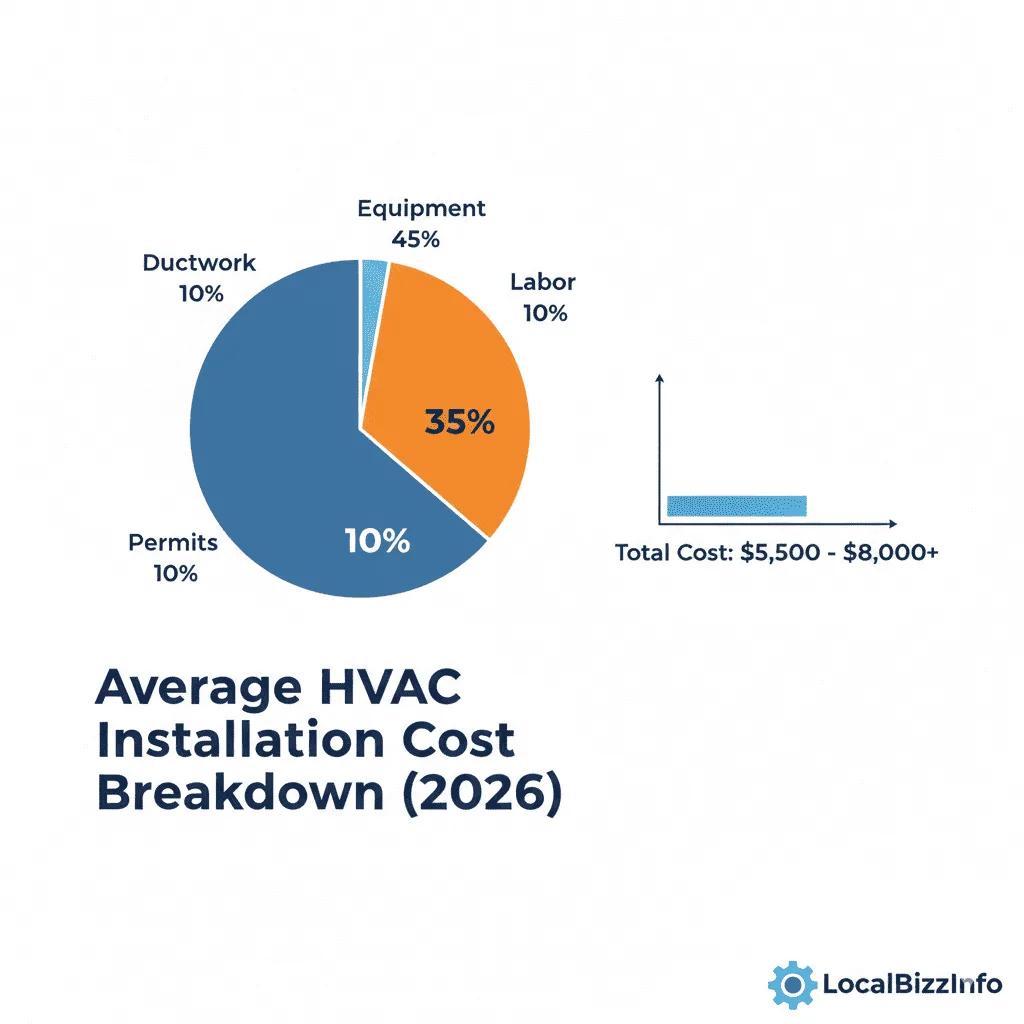
Professional installation typically accounts for 30-50% of total project cost. Complex installations requiring extensive modifications cost more:
Standard installation factors:
Equipment replacement complexity: $1,500 - $3,000
Electrical work (panel upgrades, wiring): $500 - $2,000
Refrigerant line installation: $300 - $1,000
Thermostat upgrades: $150 - $500
Permits and inspections: $100 - $400
Additional Features and Upgrades
Modern HVAC systems offer features that enhance comfort and efficiency:
Smart thermostats: $150 - $500
UV air purifiers: $400 - $1,200
Whole-home humidifiers: $400 - $1,000
Zone control systems: $2,000 - $4,500
Air quality monitors: $200 - $600
Surge protection: $150 - $400
Real Dallas HVAC Installation Cost Examples
Example 1: Basic AC Replacement (1,750 sq ft)
Project details:
Home size: 1,750 square feet
3-ton Goodman AC unit (14 SEER2)
Minor duct repairs and sealing
Standard thermostat
Total cost: $7,800
Cost breakdown:
Equipment: $3,200
Labor: $2,800
Ductwork repairs: $1,200
Permits and misc: $600
Example 2: Full System with Partial Ductwork (2,900 sq ft)
Project details:
Home size: 2,900 square feet
Dual-zone system (two 2.5-ton units)
Partial ductwork replacement
Programmable thermostats
Total cost: $14,700
Cost breakdown:
Equipment (2 units): $7,400
Labor: $4,200
Ductwork: $2,400
Thermostats and accessories: $700
Example 3: Premium High-Efficiency Installation (2,400 sq ft)
Project details:
Home size: 2,400 square feet
Carrier Infinity 4-ton heat pump (20 SEER2)
Complete ductwork replacement
Smart thermostat with zoning
UV purification system
10-year extended warranty
Total cost: $22,500
Cost breakdown:
Equipment: $9,800
Labor: $5,200
New ductwork: $4,800
Smart features and purification: $1,700
Extended warranty: $1,000
The HVAC 5000 Rule: Repair or Replace?
Dallas homeowners often struggle with the repair-versus-replace decision. The HVAC 5000 Rule provides a simple guideline:
Formula: (Age of Unit in Years) × (Cost of Repair) = Decision Number
If result > $5,000: Replace the system
If result < $5,000: Repair makes financial sense
Example scenarios:
Scenario A: 10-year-old AC, $400 repair quote
Calculation: 10 × $400 = $4,000
Decision: Repair (under $5,000 threshold)
Scenario B: 12-year-old furnace, $600 repair
Calculation: 12 × $600 = $7,200
Decision: Replace (exceeds $5,000)
Scenario C: 8-year-old heat pump, $800 repair
Calculation: 8 × $800 = $6,400
Decision: Replace (close call, consider efficiency)
For more detailed guidance on repair versus replacement decisions, check out our Phoenix HVAC System Costs 2026: Complete Repair vs Replacement Guide.
How to Save Money on HVAC Installation in Dallas
1. Get Multiple Quotes
Always obtain at least three written estimates from licensed Dallas HVAC contractors. Price variations of $2,000 - $5,000 between quotes aren't uncommon.
What to request in quotes:
Detailed equipment specifications
Labor and material breakdown
Warranty information
Timeline for completion
Payment schedule
2. Time Your Installation Strategically
Dallas HVAC contractors are busiest during peak summer months (June-August). Installing during shoulder seasons often yields:
10-20% lower labor costs
Better contractor availability
More attention to detail
Potential manufacturer promotions
Best times to install:
Spring (March-May)
Fall (September-November)
Winter (December-February)
3. Take Advantage of Rebates and Incentives
Available programs for Dallas homeowners:
Federal Tax Credits: Up to $2,000 for high-efficiency systems (25C tax credit)
Oncor Rebates: $1,200 - $1,800 for qualifying HVAC systems
Manufacturer Rebates: $300 - $1,500 seasonal promotions
Financing Offers: 0% APR for 12-60 months through contractors
Important: Always verify current rebate availability before purchasing, as programs change annually.
4. Consider Mid-Range Equipment
Premium brands cost 30-50% more than mid-range options but often don't deliver proportional performance improvements for typical Dallas homes.
Smart compromise:
Choose reputable mid-range brands
Prioritize efficiency over premium features
Invest in proper installation over expensive equipment
Ensure comprehensive warranty coverage
5. Don't Skimp on Installation Quality
Poor installation negates even the best equipment. The Air Conditioning Contractors of America (ACCA) estimates that 50% of new HVAC systems perform below specifications due to installation errors.
Essential installation elements:
Proper load calculations
Correct refrigerant charging
Sealed and insulated ductwork
Adequate airflow verification
Electrical safety compliance
Choosing the Right HVAC Contractor in Dallas
Selecting a qualified contractor is as important as choosing the right equipment. According to Budget Heating and Air Conditioning, Dallas homeowners should verify:
Must-Have Contractor Qualifications
✓ Texas TACL (Air Conditioning & Refrigeration) License ✓ Liability insurance and workers' compensation ✓ NATE (North American Technician Excellence) certification ✓ Manufacturer certifications for specific brands ✓ Established local business presence (5+ years)
Red Flags to Avoid
✗ Significantly lower quotes (20%+ below competitors) ✗ Pressure tactics or limited-time offers ✗ No written contract or vague scope of work ✗ Cash-only payment requirements ✗ No local references or verifiable reviews ✗ Unlicensed or uninsured contractors
For comprehensive guidance on contractor selection, visit our guide on How to Choose a Reliable Home Contractor in the USA: A Complete Guide for 2026.
Financing Your HVAC Installation
Most Dallas homeowners finance HVAC installations through one of these options:
1. Contractor Financing Programs
Typical terms:
0% APR for 12-18 months
5.99% - 9.99% APR for 24-60 months
$50-$100/month minimum payment
Credit approval required
2. Home Equity Loans/Lines of Credit
Advantages:
Lower interest rates (6% - 9%)
Tax-deductible interest
Larger borrowing capacity
Flexible repayment terms
3. Personal Loans
Considerations:
Higher interest rates (8% - 15%)
No collateral required
Quick approval process
Fixed monthly payments
4. Credit Cards with Rewards
Best for:
Smaller installations ($3,000 - $5,000)
Excellent credit scores
Ability to pay off within 12-18 months
Maximizing cash-back or points rewards
Maintaining Your Investment: Long-Term Costs
HVAC ownership costs extend beyond installation. Budget for ongoing maintenance:
Annual Maintenance Costs
Professional tune-ups (2x per year): $150 - $300
Spring AC check (before summer)
Fall heating system check (before winter)
DIY maintenance (monthly):
Filter replacements: $15 - $40/month
Outdoor unit cleaning: Minimal cost
Thermostat battery replacement: $5 - $10/year
Expected Lifespan and Replacement
Average system lifespan in Dallas:
Air conditioners: 12-15 years
Heat pumps: 10-15 years
Furnaces: 15-20 years
Ductwork: 20-30 years
Regular maintenance extends equipment life by 3-5 years and maintains efficiency throughout the system's lifespan.
Common HVAC Installation Mistakes to Avoid
1. Oversizing or Undersizing Equipment
Incorrect sizing causes:
Short cycling and premature wear
Inadequate humidity control
Higher energy bills
Uncomfortable temperature swings
Solution: Insist on Manual J load calculation
2. Neglecting Ductwork Issues
Leaky or undersized ducts waste 25-40% of conditioned air, negating efficiency gains from new equipment.
Solution: Include duct inspection and sealing in installation
3. Choosing Equipment Based on Price Alone
The cheapest option often costs more long-term through:
Higher energy consumption
More frequent repairs
Shorter lifespan
Limited warranty coverage
Solution: Consider total cost of ownership over 10-15 years
4. Skipping Permits and Inspections
Unpermitted work creates:
Safety hazards
Insurance claim denials
Resale complications
Code violations
Solution: Verify contractor obtains proper permits
The Bottom Line: What You'll Actually Pay
For most Dallas homeowners in 2026, expect to invest:
Typical residential HVAC installation: $6,700 - $12,000
This range assumes:
2,000-2,500 square foot home
3-4 ton system capacity
Mid-efficiency equipment (15-16 SEER2)
Existing ductwork in acceptable condition
Standard installation complexity
Professional licensed contractor
Budget an additional $2,000 - $5,000 if:
Your home needs new ductwork
You want high-efficiency equipment (18+ SEER2)
Smart thermostats or zoning systems are desired
Electrical panel upgrades are required
Air quality enhancements are included
Final Thoughts
HVAC installation represents a significant investment, but it's essential for Dallas homeowners facing extreme summer heat and variable winter conditions. By understanding cost factors, choosing the right equipment and contractor, and taking advantage of available rebates, you can maximize value while ensuring reliable climate control for years to come.
The key is balancing upfront costs with long-term performance, energy efficiency, and reliability. Don't rush the decision—take time to research options, gather multiple quotes, and select a contractor you trust.
For more expert insights on home services and cost guides, visit LocalBizzInfo for data-backed information tailored to homeowners across the United States.
For another research step, browse the HVAC businesses currently listed in Dallas. Profiles are directory information, not endorsements or guaranteed quotes.