The 2026 US real estate market has entered a unique phase characterized by elevated interest rates hovering between 6.5-7.2%, increased inventory levels in previously hot markets, and a growing number of first-time buyers navigating complex purchasing decisions. In this environment, professional home inspection services have transitioned from optional due diligence to non-negotiable protection against costly surprises.
Recent data from the National Association of Realtors indicates that buyers who skip professional inspections face an average of $10,000-$15,000 in unexpected repairs within the first 18 months of ownership. More critically, 23% of buyers who waived inspections during competitive bidding situations discovered major structural, mechanical, or safety issues requiring immediate attention—expenses that often exceeded their entire down payment savings.
I've walked through hundreds of pre-purchase evaluations, and I can tell you from experience: the properties that "looked perfect" often hide the most expensive problems. This comprehensive guide provides everything you need to understand home inspection cost 2026 pricing structures, what a thorough inspection should include, how to find qualified home inspection companies, and why this $300-$600 investment protects potentially hundreds of thousands of dollars in property value.
Whether you're purchasing in competitive markets like Houston, navigating older housing stock in Atlanta, or evaluating new construction in Frisco, understanding the inspection process is essential to making informed decisions.
Understanding Home Inspection Cost 2026: What You'll Actually Pay
The average home inspection cost in 2026 ranges from $325 to $550 for standard residential properties, though numerous factors influence final pricing. Unlike the stabilized air duct cleaning industry, home inspection pricing has seen modest 4-6% increases year-over-year due to enhanced technology requirements, expanded liability insurance costs, and more comprehensive reporting standards mandated by professional associations.
Here's the honest truth: you get what you pay for in this industry. That $199 "bargain inspection" you see advertised? It's either incomplete, rushed, or designed to upsell you on expensive add-ons that should've been included in the base price.
Standard Home Inspection Pricing (2026)
Property Size | Square Footage | Average Cost | Inspection Duration | What's Covered |
|---|---|---|---|---|
Small Home/Condo | 1,000-1,500 sq ft | $325 - $425 | 1.5-2.5 hours | All major systems, limited structural access, interior focus |
Standard Single-Family | 1,500-2,500 sq ft | $400 - $525 | 2.5-3.5 hours | Complete evaluation per InterNACHI standards |
Large Home | 2,500-3,500 sq ft | $500 - $675 | 3.5-4.5 hours | Extended evaluation, multiple HVAC zones, detailed documentation |
Luxury/Estate | 3,500-5,000 sq ft | $650 - $950 | 4-6 hours | Comprehensive inspection, premium features, specialized equipment |
Custom Estate | 5,000+ sq ft | $900 - $1,500+ | 6-8 hours | Multi-day evaluation possible, extensive documentation |
Specialty Inspection Add-Ons (Critical but Often Overlooked)
Inspection Type | Cost Range | Time Required | When You Need It |
|---|---|---|---|
Radon Testing | $150 - $275 | 48-72 hours (continuous monitor) | All homes, especially basements. EPA says 1 in 15 homes has elevated levels |
Mold Inspection | $300 - $700 | 2-3 hours + lab time | Water damage history, musty odors, visible growth, health symptoms |
Sewer Scope | $150 - $350 | 45-90 minutes | Homes 20+ years old, trees near sewer line, prior backups |
Termite/Pest | $75 - $200 | 1-1.5 hours | Required in most regions, especially Southeast/Southwest |
Well Water Testing | $200 - $450 | Sample collection + lab | Rural properties with private wells (bacteria, chemicals, minerals) |
Septic Inspection | $300 - $550 | 2-3 hours | Properties with septic systems (pump-out and camera inspection) |
Pool/Spa Inspection | $200 - $400 | 1.5-2 hours | Properties with pools (equipment, structure, safety features) |
Chimney Inspection | $150 - $350 | 1-2 hours | Homes with fireplaces (especially if used regularly) |
According to the American Society of Home Inspectors (ASHI), these pricing tiers reflect the increasing complexity of modern homes equipped with smart systems, renewable energy components, and sophisticated HVAC technology that requires specialized knowledge to evaluate properly.
Regional Cost Variations: What Location Really Means
Region | Average Cost Range | Key Regional Factors |
|---|---|---|
Texas (Houston, Dallas, Austin, San Antonio) | $350 - $550 | Foundation issues (expansive clay soil), HVAC capacity concerns, competitive market keeps prices moderate |
New York (NYC, Long Island, Upstate) | $500 - $900 | Older building stock, co-op/condo complexities, higher cost of living, stricter regulations |
Georgia (Atlanta, Savannah, Augusta) | $350 - $525 | Diverse housing ages, termite concerns, basement moisture issues, competitive inspector market |
California (Bay Area, LA, San Diego) | $475 - $850 | Earthquake considerations, high cost of living, strict environmental regulations, older properties |
Florida (Miami, Tampa, Orlando) | $375 - $600 | Hurricane/wind mitigation focus, moisture/mold concerns, insurance inspection requirements |
Illinois (Chicago metro, suburbs) | $400 - $625 | Harsh weather impact on structures, older urban housing, basement concerns |
Arizona (Phoenix, Tucson, Scottsdale) | $375 - $575 | Desert climate issues, foundation concerns, HVAC critical evaluation, newer construction |
North Carolina (Charlotte, Raleigh, Asheville) | $350 - $500 | Growing markets, mix of old and new construction, moderate regional costs |
Let me be clear about something: location matters, but it shouldn't be your only consideration. I've seen buyers choose the cheapest inspector to save $100, only to miss a $15,000 foundation issue that a more thorough professional would have caught.
How Much Does a Home Inspection Cost: Real-World Examples from 2026
Let me walk you through actual scenarios I've encountered this year to give you a realistic picture of what you'll pay:
Scenario 1: First-Time Buyer in Frisco, Texas
Property: 2,200 sq ft, 2015 construction, two-story suburban home
Base Inspection: $425 (3 hours)
Sewer Scope (recommended for all homes): $175
Total: $600
Found: Improperly installed HVAC ductwork causing 30% efficiency loss ($2,800 to correct)
Negotiation Result: Seller credited $2,000 toward repairs
Scenario 2: Relocating Professional in Atlanta Suburbs
Property: 1,850 sq ft, 1978 construction, ranch-style with basement
Base Inspection: $450 (3.5 hours)
Radon Testing (basement present): $200
Termite Inspection: $95
Total: $745
Found: Radon levels at 8.2 pCi/L (EPA action level is 4.0), outdated electrical panel, basement moisture issues
Negotiation Result: Seller installed radon mitigation system ($1,400 value) and replaced electrical panel ($1,800 value)
Scenario 3: Luxury Home Purchase in Houston
Property: 4,500 sq ft, 2008 construction, pool, guest house
Base Inspection: $850 (5 hours)
Pool/Spa Inspection: $325
Guest House Separate Inspection: $275
Sewer Scope: $200
Total: $1,650
Found: Foundation settlement indicators, pool equipment nearing end of life, guest house HVAC non-functional
Negotiation Result: $12,500 price reduction
The pattern here? Every single one of these buyers got exceptional return on their inspection investment. That's not luck—that's smart home buying.
Regional Deep Dive: Home Inspection Services Houston, Atlanta & Frisco
Understanding home inspection services near me pricing requires examining specific metropolitan markets where costs, service availability, and inspection focuses vary significantly based on local housing characteristics and environmental factors.
Home Inspection Services Houston: Gulf Coast Market Reality
Average Cost: $400-$575 for standard residential
Houston's humid subtropical climate and expansive clay soils create inspection priorities you won't find in other markets. I've inspected hundreds of Houston-area homes, and foundation movement ranks as the single most common issue—affecting an estimated 60% of properties to some degree.
Houston-Specific Must-Check Items:
Foundation pier-and-beam or slab condition (clay soil expansion/contraction)
Drainage and grading around perimeter (flooding prevention critical)
HVAC system capacity—undersized units can't handle 100°F summer days
Moisture intrusion and ventilation (preventing mold in 90% humidity)
Roof condition following severe weather (hail, wind damage common)
For Houston-area properties showing foundation concerns during inspection, get detailed repair cost breakdowns in our Foundation Repair Cost Houston TX 2026 Pricing Guide, which covers piers, slab leveling, and drainage solutions with actual contractor pricing.
Home Inspection Services Atlanta: Southeast Housing Complexity
Average Cost: $400-$550 for standard residential
Atlanta's housing market spans everything from 1920s Craftsman bungalows in Virginia-Highland to brand-new construction in Alpharetta. This diversity demands inspectors with broad expertise across different building eras and construction methods.
Atlanta-Specific Focus Areas:
Knob-and-tube wiring in pre-1950s homes (fire hazard, insurance issues)
Basement moisture, drainage, and foundation walls (common in older neighborhoods)
Termite damage and treatment history (active termite region)
HVAC system age in moderate climate (often neglected until failure)
Crawl space condition, vapor barriers, and ventilation
Home Inspection Services Frisco: North Texas Boom Town Considerations
Average Cost: $400-$550 for standard residential
Frisco represents one of America's fastest-growing suburbs, with predominantly post-2000 construction. Don't assume "new" means problem-free—rapid development can lead to quality control issues that surface years later.
Frisco-Specific Inspection Priorities:
Builder quality verification during rapid construction phases
Foundation performance in expansive clay soils (similar to Houston)
HVAC installation quality—proper sizing and ductwork sealing
Roof installation standards in hail-prone regions
Smart home system integration and functionality
Builder warranty status and pending expiration dates
For North Texas properties requiring roof evaluation or replacement, reference our 2026 Texas Roof Replacement Cost Guide for detailed regional pricing and contractor selection guidance.
The Essential Home Inspection Checklist: What Inspectors Actually Evaluate
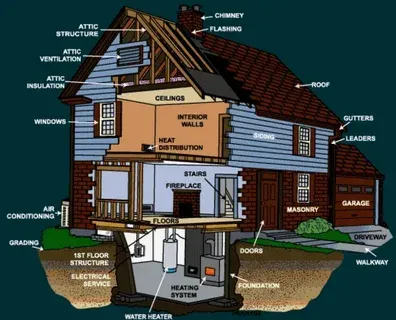
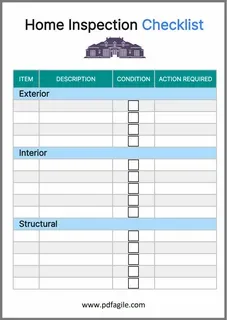
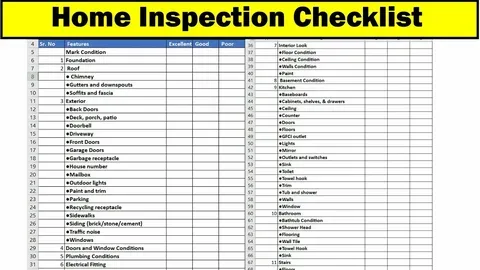
A comprehensive home inspection checklist following InterNACHI Standards of Practice covers hundreds of individual components. Here's what every thorough inspection must include:
Foundation & Structural Systems
I always start here because foundation issues affect everything above them. Look for cracks wider than 1/4 inch, diagonal cracks extending from corners, doors and windows that stick or show gaps, uneven floors, and separation between walls and ceilings or floors. Foundation repairs can cost $2,000-$25,000+ depending on severity, so catching these early is critical.
Roof System & Attic
Roof inspections reveal remaining lifespan, leak evidence, improper installations, and ventilation adequacy. Most asphalt shingle roofs last 20-25 years, metal roofs 40-70 years, and tile roofs 50+ years. Missing or damaged shingles, deteriorated flashing around chimneys and vents, inadequate attic ventilation causing premature aging, and evidence of previous or active leaks all need documentation. A failing roof means $8,000-$25,000+ in replacement costs depending on size and material.
Exterior Components & Drainage
Proper grading directing water away from the foundation (minimum 6-inch drop within 10 feet) prevents moisture intrusion and foundation damage. Siding condition—wood rot, damaged panels, or compromised weather barriers—window and door operation, seals, and energy efficiency, and walkway/driveway trip hazards all require evaluation.
Plumbing Systems
Water supply line material matters: copper lasts 50+ years, PEX 40-50 years, but galvanized steel (common in pre-1960 homes) corrodes after 40-50 years and should be replaced. Check drain, waste, and vent system function, water heater age (typical lifespan 8-12 years), main water shut-off accessibility, and fixture operation throughout the property.
Electrical Systems
Modern homes need minimum 200-amp service—100-amp panels are adequate for smaller homes but limit expansion. Look for proper circuit breaker condition, grounding and bonding (critical safety), GFCI protection in bathrooms, kitchens, exterior outlets, and garages, and aluminum wiring presence (fire hazard requiring special connections). Electrical upgrades can cost $1,500-$5,000+ depending on scope.
HVAC Systems (Heating & Cooling)
System age matters—most units last 15-20 years. Verify proper operation in both heating and cooling modes, distribution system condition including ductwork sealing, thermostat functionality, filter accessibility, and maintenance history documentation. For homes lacking recent HVAC maintenance, professional air duct cleaning services improve efficiency and indoor air quality, particularly where previous owners neglected routine care.
Interior Components & Safety Features
Wall and ceiling condition revealing water damage or structural stress, floor condition and levelness, door and window operation, stairway and railing code compliance (36-inch height minimum for railings, balusters spaced no more than 4 inches apart), fireplace and chimney operation and safety clearances all require documentation.
Insulation & Ventilation
Attic insulation depth determines energy efficiency—most climates need R-38 to R-49 (12-16 inches of fiberglass). Adequate attic ventilation (1 square foot per 150 square feet of attic space) prevents moisture buildup and premature roof aging. Crawl space vapor barriers and ventilation prevent moisture problems.
Built-in Appliances
Test kitchen appliances including dishwasher operation, range/oven heating elements, disposal function, and verify laundry connections with proper installation and venting. Garage door opener safety features (auto-reverse when obstructed) and bathroom ventilation fans venting to exterior (not attic) need verification.
Safety & Code Compliance
Smoke detectors in every bedroom, outside each sleeping area, and on every level including basement (code requirements), carbon monoxide detectors near sleeping areas if home has fuel-burning appliances or attached garage, GFCI and AFCI protection where required by current code, and proper clearances around water heaters, furnaces, and other heat-producing equipment all require verification.
National Home Inspection Companies vs Local Independent Inspectors: The Real Comparison
Choosing between established home inspection companies and local independent inspectors involves weighing standardization, accountability, cost, and personal service factors. Having worked with both types throughout my career, here's the unvarnished truth:
National Franchise Comparison
Pillar to Post Home Inspectors
Established: 1994, 500+ franchise locations
Average Cost: $425-$700
What You're Paying For: Brand consistency, standardized training, comprehensive digital reports with extensive photography, corporate accountability for service issues, technology integration including thermal imaging and moisture detection, and franchise backing for service guarantees.
Reality Check: Quality varies significantly by individual franchise owner. Some locations have exceptional inspectors with decades of experience; others employ newer inspectors still building expertise. The Pillar to Post name doesn't guarantee the inspector's personal qualifications—verify the actual inspector's credentials.
AmeriSpec Inspection Services
Established: 1987, part of FirstService Brands
Average Cost: $400-$650
What You're Paying For: Extensive training programs, multi-point quality assurance review, technology-driven reporting (typically within 24 hours), national presence with local franchise accountability, and pre-listing inspection services for sellers.
Reality Check: Corporate structure sometimes prioritizes throughput over thoroughness during peak spring/summer buying seasons. Aggressive marketing of additional services can feel pushy. Standardized approach may miss unique local factors that experienced local inspectors recognize immediately.
Local Independent Home Inspectors
Average Cost: $325-$525
The Upside: Personal reputation is everything, so quality-focused independents often provide more thorough inspections than franchises. Deep local market knowledge means they recognize regional issues immediately—Houston foundation problems, Atlanta termite concerns, or Frisco builder-specific patterns. Flexible scheduling, customized inspection scope, direct communication with the actual inspector performing the work, competitive pricing due to lower overhead, and community integration creating accountability all work in your favor.
The Downside: Quality varies dramatically between individuals. Some independents are former general contractors or engineers with exceptional expertise; others completed a quick certification course and jumped into business. Limited resources for advanced technology, no corporate backing for disputes, potential availability constraints from solo operators, and inconsistent report quality depending on inspector's communication skills all present risks.
Making the Right Choice for Your Situation
Choose National Franchises When:
Relocating to unfamiliar markets without trusted local referrals
Seeking standardized processes and comprehensive guarantees
Requiring specific technology capabilities like thermal imaging
Timeline demands guaranteed availability
Corporate accountability matters more than personal relationships
Choose Local Independent Inspectors When:
Strong referrals exist from trusted real estate professionals or neighbors
Local market expertise is critical (older homes, regional issues)
Budget constraints exist but quality remains priority
Personal relationship and direct communication are valued
Flexibility in scheduling or inspection scope is needed
Non-Negotiable Verification (Franchise or Independent):
InterNACHI or ASHI membership and certification
Errors and omissions insurance (minimum $250,000, preferably $500,000)
State licensing where required (regulations vary by state)
Sample inspection reports demonstrating thoroughness and clarity
Reviews on multiple platforms showing consistent quality
Minimum 2-3 years experience with 500+ completed inspections
Willingness to answer questions during and after inspection
Here's my honest advice: interview 2-3 inspectors before deciding. Ask about their background, how long they spend on average-sized homes, what equipment they use, and whether you can attend the entire inspection. The inspector who rushes you off the phone or discourages your attendance? Move on immediately.
Investment Analysis: Why Skipping Inspection Costs You Thousands
Let me share real numbers from actual 2026 cases to illustrate why professional inspection provides exceptional ROI:
Case Study 1: The "Perfect" Suburban Home
Purchase Price: $385,000
Inspection Cost: $475 (including sewer scope)
Issues Found: Main sewer line with tree root intrusion, HVAC system 18 years old (near end of typical lifespan), minor foundation settlement
Repair/Replacement Costs: $4,500 sewer repair, $8,500 HVAC replacement, $2,200 foundation monitoring
Negotiation Outcome: $10,000 seller credit at closing
Net Benefit: $9,525 (2,005% ROI on inspection cost)
Case Study 2: The Overlooked Details
Purchase Price: $525,000
Inspection Cost: $625 (including radon testing and mold inspection)
Issues Found: Radon levels at 6.8 pCi/L, mold in attic from inadequate ventilation, outdated electrical panel, roof with 2-3 years remaining life
Repair/Replacement Costs: $1,300 radon mitigation, $2,800 mold remediation and ventilation improvement, $2,200 electrical panel upgrade, $14,500 roof replacement
Negotiation Outcome: Seller completed radon mitigation and electrical upgrade; buyer received $8,000 credit for roof and mold work
Net Benefit: $11,175 (1,788% ROI on inspection cost)
Case Study 3: The New Construction Surprise
Purchase Price: $475,000 (2022 construction)
Inspection Cost: $550
Issues Found: Improper HVAC duct installation causing 35% efficiency loss, missing attic insulation in sections, improperly installed siding allowing moisture intrusion, multiple code violations in electrical work
Repair Costs: $3,200 ductwork correction, $1,800 insulation completion, $2,400 siding repair, $1,200 electrical corrections
Negotiation Outcome: Builder completed all repairs before closing (still under warranty)
Net Benefit: $8,050 (1,464% ROI on inspection cost)
The pattern is undeniable: professional inspection almost always identifies issues worth many times the inspection cost. And these are just the financial benefits—I haven't even mentioned the safety issues, health hazards, or peace of mind that comes from truly knowing what you're buying.
Frequently Asked Questions About Home Inspections
Is a home inspection really necessary for new construction?
Absolutely yes, and this might surprise you, but new construction often needs MORE scrutiny than older homes. I've inspected hundreds of new builds, and I find issues in approximately 80% of them. Here's why: during housing booms, construction crews work at breakneck speed with varying skill levels. Quality control suffers. Common new construction issues include improperly installed HVAC ductwork (causing 20-40% efficiency loss), missing or inadequate insulation in sections, siding or flashing installed incorrectly allowing water intrusion, electrical code violations, and grading that directs water toward rather than away from the foundation. New construction inspections cost $400-$550 for standard homes and focus on builder quality, code compliance, and identifying defects before warranty periods expire. Many builders pressure buyers to skip independent inspection, claiming their internal quality checks are sufficient. Don't fall for it builder inspectors work for the builder, not you.
Can the inspection help me negotiate a lower price?
Yes, but understand how to use inspection findings strategically. Major issues foundation problems, roof replacement needs, HVAC system failure, significant electrical or plumbing defects—provide legitimate negotiation leverage for price reduction, seller credits, or repairs completed before closing. Minor issues—cosmetic concerns, normal wear items, small maintenance needs—generally don't warrant price negotiation and attempting to do so can frustrate sellers. Focus negotiations on items costing $500+ to repair or safety/health hazards regardless of cost. Present inspection findings professionally: request specific repairs by licensed contractors or equivalent credits rather than vague "fix everything" demands. In seller's markets, prioritize deal-breakers over wish-list items. In buyer's markets, you have more negotiation room. Your real estate agent should guide strategy based on market conditions, but the inspection report provides the factual foundation for any requests.
What if the seller refuses to make repairs after inspection?
You have several options depending on your contract terms and market conditions. First, negotiate for a credit at closing instead of completed repairs—this gives you control over contractor selection and repair quality. Second, prioritize which items are true deal-breakers versus items you're willing to accept—structural issues, safety hazards, and major system failures warrant strong negotiation, while cosmetic items may not. Third, request a price reduction reflecting repair costs rather than specific repairs. Fourth, if the seller refuses to address legitimate major issues and you have an inspection contingency, you can typically withdraw from the contract and receive your earnest money back. Fifth, proceed with the purchase accepting the property as-is—viable if issues are manageable and the property price/location justifies it. Consult your real estate agent about market norms and your attorney about contract implications. In hot markets, sellers have more leverage; in buyer's markets, you have more options. Never let ego drive decisions—focus on whether the property still represents good value given known issues.
How long is a home inspection report valid?
Home inspection reports reflect property condition on the specific date of inspection—they're essentially snapshots in time, not guarantees of future condition. No formal "expiration date" exists, but meaningful changes can occur within months. If you're buying a property, the inspection should occur within your contract contingency period (typically 7-14 days after offer acceptance). If you're a seller considering a pre-listing inspection, understand that it's valid for current marketing but issues can develop—particularly mechanical systems that might fail between inspection and closing. Lenders don't accept inspection reports from previous sales—each transaction requires current inspection. If unusual delays occur between inspection and closing (60+ days), consider reinspection of critical mechanical systems before finalizing the purchase. Seasonal factors matter too—summer inspection might miss heating system issues, winter inspection might miss cooling system problems. Bottom line: inspection reports are most reliable when used immediately and shouldn't be considered accurate months later.
Protecting Your Investment Through Professional Home Inspection
Understanding home inspection cost 2026 and the value it provides is essential in today's complex real estate market. Whether you're searching for home inspection services near me in Houston's challenging foundation territory, Atlanta's diverse housing stock, or Frisco's rapid-growth suburbs, the $325-$650 investment in professional evaluation protects against the statistically probable $10,000+ in unexpected repairs that uninspected homes frequently require.
The comprehensive home inspection checklist covering structural integrity, electrical systems, plumbing, HVAC, and safety features provides detailed information needed to negotiate effectively, budget for future maintenance, and most importantly, avoid purchasing properties with hidden defects that could undermine your financial security.
Whether you choose established home inspection companies like Pillar to Post and AmeriSpec or qualified local independent inspectors, verify credentials through InterNACHI or ASHI, confirm insurance coverage, and attend the inspection to maximize value from this critical due diligence step.
In 2026's elevated interest rate environment where every dollar matters, skipping professional home inspection to save a few hundred dollars remains one of the costliest mistakes buyers make. The data is overwhelmingly clear: professional inspection provides exceptional return on investment and peace of mind that cannot be quantified but proves invaluable to successful homeownership.
Make the smart choice. Invest in professional inspection. Protect your largest financial investment. Your future self will thank you.