What Houston Homeowners Need to Know
Foundation repair in Houston is one of the most significant home maintenance investments you'll face, with costs ranging dramatically based on severity and repair method. In 2026, Houston homeowners are paying between $4,500 and $12,000 for typical foundation repairs, though minor crack repairs may cost as little as $500, while extensive structural work can exceed $30,000.
The average foundation repair cost in Houston currently sits at $5,000-$7,000 for standard slab or pier-and-beam repairs. However, these numbers only tell part of the story. Houston's unique geological challenges particularly our expansive clay soil make foundation issues nearly inevitable for many properties. Understanding what drives these costs, when repairs are necessary, and how to budget appropriately can save you thousands of dollars and prevent small problems from becoming catastrophic failures.
Visit official website of the State of Texas : https://www.tdlr.texas.gov/
This comprehensive guide breaks down every aspect of foundation repair cost Houston TX pricing, from per-pier installation fees to hidden expenses most contractors won't mention upfront. Whether you're dealing with hairline cracks or significant structural settlement, you'll find transparent, data-driven pricing information to help you make informed decisions about your home's most critical structural component.

The Houston Soil Factor: Why Your Foundation is Always at Risk
Before discussing specific repair costs, you must understand why Houston foundations fail with such alarming regularity. Unlike cities built on stable bedrock, Houston sits atop some of the most problematic soil conditions in North America expansive Houston Black Clay and other highly plastic clay soils that extend 10-20 feet below most residential foundations.
These clay soils undergo dramatic volume changes based on moisture content. During Houston's scorching summers, clay contracts as moisture evaporates, creating voids beneath your foundation. When tropical storms and hurricanes dump inches of rain in hours, that same clay expands rapidly, exerting tremendous upward pressure on your slab or pier-and-beam foundation. This constant cycle of expansion and contraction known as seasonal soil movement gradually undermines even properly constructed foundations.
Gulf Coast humidity adds another layer of complexity. Unlike arid climates where soil moisture remains relatively stable, Houston's 70-90% humidity levels create unpredictable moisture migration patterns beneath your home. Poor drainage, leaking plumbing, and mature trees drawing water from beneath your foundation all contribute to uneven soil moisture distribution, leading to differential settlement—where one portion of your home sinks while another remains stable.
The average Texas clay soil foundation problems homeowner faces aren't caused by poor construction (though that doesn't help). They're the inevitable result of building on geological time bombs. This reality is why understanding repair costs and budgeting for eventual foundation work isn't pessimistic it's prudent homeownership in the Houston metro area.
Detailed Cost Breakdowns: Slab Foundation Repair Houston
Pier Installation: The Foundation of Foundation Repair
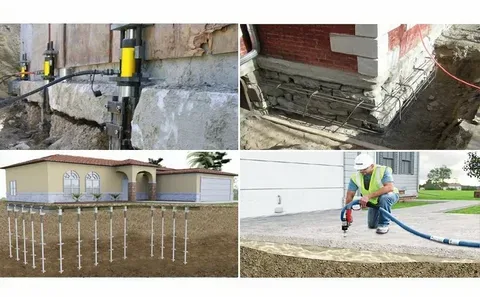
The most common and effective method for slab foundation repair Houston involves installing piers (also called pilings or piles) beneath your foundation to transfer structural loads from unstable clay soils to more competent bearing strata deeper underground.
Concrete Pressed Pilings:
Cost per pier: $1,500-$2,500
Typical installation depth: 8-12 feet
Best for: Moderate soil conditions, cost-conscious repairs
Lifespan: 20-30 years with proper installation
Concrete pressed piers use hydraulic rams to drive precast concrete cylinders into the soil until they reach refusal (the point where soil resistance prevents further penetration). While more affordable than steel alternatives, concrete piers can deteriorate over time, especially in Houston's acidic soils and high water table areas.
Steel Helical Piers:
Cost per pier: $2,450-$4,075
Installation depth: 15-30+ feet (until competent bearing strata)
Best for: Severe settlement, long-term stability, high-value homes
Lifespan: 75+ years (galvanized steel)
Helical piers feature large steel screw anchors that drill deep into the soil like giant screws. They're torqued to precise specifications, creating verifiable load-bearing capacity. While significantly more expensive, helical piers reach stable soil layers that concrete piers often can't access, making them the gold standard for serious foundation problems.
Average Pier Requirements by Home Size:
1,000-1,500 sq ft: 12-18 piers = $18,000-$45,000 (concrete) or $29,400-$73,350 (steel)
1,500-2,000 sq ft: 18-25 piers = $27,000-$62,500 (concrete) or $44,100-$101,875 (steel)
2,000-3,000 sq ft: 25-40 piers = $37,500-$100,000 (concrete) or $61,250-$163,000 (steel)
These ranges explain why the average cost of foundation repair varies so dramatically. A small corner of your home experiencing minor settlement might need only 4-6 piers ($6,000-$15,000), while whole-home stabilization for a 2,500 sq ft property could require 30+ piers, pushing costs well above $50,000.
Slab Leveling and Mudjacking
When settlement is minimal (less than 2 inches) and primarily affects interior slabs rather than foundation beams, less invasive methods may suffice:
Traditional Mudjacking (Slabjacking):
Cost: $500-$1,500 per void area
Process: Pumping cement slurry beneath settled concrete
Effective for: Patios, garage floors, minor interior slab settlement
Longevity: 5-10 years before re-settlement in Houston clay
Polyurethane Foam Injection:
Cost: $2,000-$4,000 per major void
Process: Injecting expanding polyurethane foam that fills voids and lifts slabs
Benefits: Lighter weight (doesn't add soil load), permanent, waterproof
Best for: Severe voids, long-term stability, moisture-prone areas
While these home leveling cost Houston options appear attractive compared to pier installation, experienced structural engineers typically recommend them only for non-structural slabs. Using mudjacking for foundational elements is like putting a Band-Aid on a broken bone it may look better temporarily, but the underlying structural problem remains unaddressed.
Pier and Beam Foundation Repair: A Different Challenge
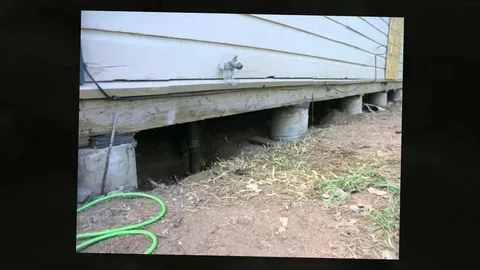
Houston's older homes particularly those in Heights, Montrose, and other historic neighborhoods typically feature pier-and-beam (crawl space) construction. These foundations present unique challenges and cost structures.
Shim and Level Repairs:
Cost: $800-$2,000 for isolated beam areas
Process: Adding steel or composite shims to existing piers
Temporary solution: Addresses immediate leveling but doesn't solve soil issues
Pier Replacement/Addition:
Concrete block piers: $400-$800 per pier
Concrete poured piers: $600-$1,200 per pier
Steel adjustable piers: $1,000-$2,000 per pier
Beam and Joist Repair:
Sister joist installation: $150-$300 per joist
Full beam replacement: $2,000-$5,000 per beam section
Subfloor replacement: $3-$7 per square foot
Total Pier and Beam Repair Projects:
Minor shimming and adjustments: $1,500-$3,500
Moderate pier addition and beam repair: $5,000-$12,000
Extensive structural replacement: $15,000-$35,000
The cost of pier and beam foundation repair often includes wood rot remediation a persistent problem in Houston's humid climate. Crawl space moisture leads to fungal growth, termite damage, and structural wood deterioration. Budget an additional $2,000-$8,000 for crawl space encapsulation, vapor barriers, and dehumidification systems if wood rot is present.
Foundation Crack Repair: Not All Cracks Are Equal
Cosmetic Hairline Cracks (< 1/8 inch):
DIY epoxy injection kits: $50-$150
Professional cosmetic repair: $250-$500
Concern level: Low (monitor for expansion)
Structural Cracks (> 1/4 inch, horizontal, or stair-stepping):
Epoxy injection for vertical cracks: $400-$800 per crack
Carbon fiber reinforcement straps: $1,000-$3,000 per wall section
Full wall replacement (severe cases): $10,000-$25,000 per wall
The foundation crack repair cost depends heavily on whether cracks indicate active settlement or are merely cosmetic. Many contractors unnecessarily alarm homeowners about minor cracks to upsell comprehensive repairs. This is where professional engineering assessments prove invaluable.
Inspection vs. Repair: The $500 Investment That Saves $15,000
Houston homeowners receive constant mailings from foundation repair companies offering "free inspections." Here's why these aren't really free and why paying for an independent assessment is one of the smartest financial decisions you can make.
Foundation Repair Company "Free" Inspection:
Cost: "Free" (but leads to repair estimates)
Perspective: Sales-driven; company profits from finding problems
Typical outcome: Comprehensive repair recommendations
Average proposed cost: $8,000-$25,000
Independent Structural Engineer's Report:
Cost: $300-$1,500 (typically $400-$600 in Houston)
Perspective: Objective third-party with no financial stake in repairs
Deliverables: Detailed structural analysis, specific repair recommendations, code compliance review
Typical outcome: Often identifies minor issues requiring monitoring rather than immediate expensive intervention
Real example from a recent Houston case: A homeowner received foundation repair estimates of $22,000, $18,500, and $26,000 from three contractors for "critical structural failure." A $500 structural engineer's report revealed minor cosmetic cracking requiring no immediate repair—just monitoring and better drainage management. The engineer's fee paid for itself 44 times over.
The foundation inspection cost Houston for professional engineering assessment should be considered mandatory before authorizing any repair work exceeding $5,000. Engineers understand building codes, load distribution, and Houston's specific soil challenges in ways sales-oriented contractors often don't. Their reports also provide critical documentation if you need to involve homeowner's insurance or pursue disputes with builders or previous owners.
For homeowners who want to ensure they're working with vetted professionals whether engineers or contractors researching due diligence methods is essential. Understanding how to choose a reliable home contractor in the USA can prevent costly mistakes and ensure your foundation repair is done right the first time.
Hidden Costs: What Contractors Don't Include in Initial Quotes
Foundation repair estimates often exclude significant additional expenses that only become apparent after work begins:
Plumbing Testing and Re-routing:
Pre-repair plumbing pressure test: $300-$600
Minor plumbing adjustments: $500-$1,500
Extensive sewer line re-routing: $3,000-$8,000
Houston's expansive clay soil frequently damages underground plumbing. Most reputable contractors require plumbing tests to ensure foundation work won't be undermined by active leaks. If tests reveal problems, repairs must be completed before foundation work adding unexpected costs.
Landscaping Restoration:
Shrub/flower bed replacement: $500-$2,000
Tree removal (if roots causing problems): $800-$3,500 per tree
Sprinkler system repairs: $300-$1,200
Sod/lawn restoration: $1-$3 per square foot
Foundation crews need access to your home's perimeter, which typically means destroying landscaping. While some contractors include basic restoration, expect to budget $1,500-$5,000 for returning your yard to pre-construction condition.
Permit and Engineering Fees:
Houston city permits: $150-$400
HOA architectural review: $100-$500
Post-repair structural certification: $250-$750
Temporary Relocation (for severe repairs):
Hotel/rental accommodation: $150-$300 per night
Duration: 3-7 days for major work
Total: $450-$2,100
Extensive foundation repairs sometimes require evacuating the home while crews work. This is particularly true for pier-and-beam homes where interior access is necessary.
Cosmetic Interior Repairs:
Drywall crack repair: $200-$800
Door/window frame adjustment: $150-$400 per unit
Interior painting: $2-$6 per square foot
Flooring repair (tile, hardwood): $5-$15 per square foot
Foundation movement often causes secondary damage to interior finishes. While foundation repairs stabilize your home, they don't automatically fix cracked walls, popped tile, or misaligned door frames created during settlement.
For homeowners planning comprehensive property improvements, foundation work often coincides with other major projects. Understanding Texas roof replacement cost considerations becomes relevant when budgeting for total home maintenance particularly since roof and foundation issues often indicate similar underlying problems with drainage and soil stability.
Insurance and Financing: Navigating the Texas Foundation Insurance Labyrinth
What Homeowner's Insurance Covers (and Doesn't)
Standard homeowner's insurance policies in Texas generally do not cover foundation repairs caused by:
Soil settlement and subsidence
Expansive clay soil movement
Poor drainage or landscape grading
Normal wear and deterioration
Pre-existing conditions
Insurance may cover foundation damage caused by:
Sudden plumbing failures (burst pipes, slab leaks)
Named perils (tornadoes, hurricanes—though rare for foundations)
Specific policy riders (available but expensive)
Reality check: Fewer than 5% of foundation repair claims in Houston receive insurance coverage. Insurance companies have become increasingly sophisticated at denying foundation claims, arguing that damage resulted from gradual settlement (not covered) rather than sudden plumbing failure (potentially covered).
Slab Leak Coverage Strategy: If your foundation damage correlates with plumbing leaks beneath your slab, documentation is critical:
Professional plumber's report identifying leak location and cause
Evidence leak was sudden (not slow deterioration)
Timeline showing foundation damage coincided with leak
Structural engineer's report connecting plumbing failure to foundation damage
Even with perfect documentation, expect insurance companies to contest claims. Budget for $1,000-$3,000 in public adjuster or attorney fees if you're serious about pursuing coverage.
Financing Options for Foundation Repair
Given that most homeowners can't easily absorb $5,000-$30,000 unexpected expenses, financing becomes necessary:
Contractor-Arranged Financing:
Typical APR: 8-18% (depending on credit)
Terms: 12-60 months
Approval rate: High (often partner with subprime lenders)
Caution: Read terms carefully; deferred interest promotions can be costly
Home Equity Line of Credit (HELOC):
Typical APR: 7-11% (variable)
Benefit: Tax-deductible interest (consult CPA)
Drawback: Uses home as collateral; approval requires good credit and equity
Personal Loans:
Typical APR: 6-20% (highly credit-dependent)
Benefits: No collateral, fast approval
Terms: Usually 2-5 years
FHA 203(k) Rehabilitation Loan:
For purchases: Rolls repair costs into mortgage
Benefit: Single closing, competitive rates
Requirements: Home must be purchase, not refinance
Property Assessed Clean Energy (PACE) Financing:
Available in some Houston-area municipalities
Repaid through property tax assessments
Benefits: No credit check, transferable to next owner
Rates: Typically 6-9%
For extensive foundation issues discovered during home purchases, financing becomes particularly critical. First-time buyers in particular should understand their options resources like this East Meadow first-time home buyer guide offer frameworks applicable to Houston-area purchases involving foundation repairs.

Foundation Repair vs. Full Replacement: When to Walk Away
At what point does foundation repair become financially untenable compared to replacement or even selling the property?
Full Foundation Replacement Costs:
Slab foundation replacement: $20,000-$50,000
Pier-and-beam replacement: $25,000-$60,000
Includes: Demolition, new foundation, re-leveling, reconnecting utilities
Replacement vs. Repair Decision Matrix:
Consider replacement when:
Repair estimates exceed 60% of replacement cost
Multiple previous repairs have failed
Foundation was improperly constructed (no rebar, wrong depth)
Home value doesn't justify extensive repair investment
Structural engineer deems existing foundation irreparable
Repair is likely more practical when:
Damage is localized to specific areas
Home has high market value or personal significance
Structural analysis shows repairs will provide 20+ year stability
Replacement would require extensive interior demolition
Real-World Example: A 1,800 sq ft Houston home built in 1985 on improperly compacted fill dirt shows severe settlement requiring 32 helical piers at $3,000 each = $96,000. Full slab replacement costs $35,000. The logical choice? Replacement saving $61,000 while addressing the root problem (inadequate original construction) rather than just symptoms.
Visit: https://www.tdi.texas.gov/
Conversely, a well-built 2,400 sq ft home with isolated corner settlement needing 8 piers at $2,500 each = $20,000 versus $45,000 replacement makes repair the obvious choice.
Understanding when repairs make economic sense versus cutting your losses is crucial. Sometimes the best financial decision is selling "as-is" to an investor rather than investing $40,000 in repairs for a home worth $220,000.
Regional Comparison: Houston vs. Other High-Risk Foundation Markets
Houston's foundation repair costs sit in the middle range of high-risk markets:
Houston Average: $5,000-$7,000 (moderate)
Dallas-Fort Worth: $4,500-$8,500 (similar clay soils) San Antonio: $4,000-$7,000 (slightly better soil stability) Austin: $5,500-$9,000 (Hill Country limestone creates different challenges)
Florida (Tampa, Orlando): $6,000-$12,000 (Florida foundation repair costs tend higher due to sinkhole risks and hurricanes)
California (Bay Area, Los Angeles): $8,000-$18,000 (earthquake retrofitting requirements drive costs up significantly see California home remodeling costs for regional context)
Houston's relatively affordable foundation repair market stems from high contractor competition and simpler building codes compared to California's stringent seismic requirements. However, our soil conditions create higher frequency of foundation problems, meaning Houston homeowners face repairs more often, even if individual repair costs are lower.
2026 Cost Trends and Market Predictions
Several factors are influencing foundation repair pricing in Houston's current market:
Labor Shortages: Skilled foundation specialists are increasingly scarce, with many experienced contractors retiring and fewer young workers entering the trade. This has driven labor costs up 15-22% since 2023.
Material Cost Stabilization: After COVID-era volatility, steel and concrete prices have stabilized. Helical pier costs increased only 3-5% in 2025, significantly better than 2021-2023's 25-40% spikes.
Technology Adoption: Laser-guided leveling systems, GPS-tracked settlement monitoring, and polyurethane foam injection equipment are becoming standard, slightly increasing upfront costs but improving repair longevity and reducing callbacks.
Insurance Pressure: As insurance companies deny more foundation claims, homeowners are shopping harder for competitive repair pricing, creating modest downward price pressure in the contractor market.
Prediction for 2026-2027: Expect overall foundation repair costs to increase 4-7% annually  roughly tracking inflation plus modest labor premium increases. The gap between concrete and steel pier pricing will likely narrow as concrete production costs rise faster than steel fabrication.
2026 Houston Foundation Repair Cost Per Pier by Material and Depth
Pier Type | Shallow (8-12 ft) | Medium (12-20 ft) | Deep (20-30 ft) | Lifespan | Best Use Case |
|---|---|---|---|---|---|
Concrete Pressed | $1,500-$2,000 | $2,000-$2,500 | Not applicable | 20-30 yrs | Cost-conscious moderate repairs |
Steel Helical | $2,450-$3,200 | $3,200-$4,075 | $4,075-$5,500 | 75+ yrs | Severe settlement, long-term stability |
Steel Push Piers | $2,200-$2,800 | $2,800-$3,600 | $3,600-$4,800 | 50-75 yrs | Commercial properties, heavy structures |
Drilled Concrete Piers | $1,800-$2,400 | $2,400-$3,200 | $3,200-$4,500 | 40-60 yrs | New construction, preventive measures |
Average Foundation Repair Costs by Houston Home Size (2026)
Home Size | Typical Pier Count | Concrete Pier Total | Steel Pier Total | Additional Costs | Project Total Range |
|---|---|---|---|---|---|
1,000-1,500 sq ft | 12-18 piers | $18,000-$45,000 | $29,400-$73,350 | $2,000-$5,000 | $20,000-$78,350 |
1,500-2,000 sq ft | 18-25 piers | $27,000-$62,500 | $44,100-$101,875 | $3,000-$7,500 | $30,000-$109,375 |
2,000-2,500 sq ft | 25-32 piers | $37,500-$80,000 | $61,250-$130,400 | $4,000-$10,000 | $41,500-$140,400 |
2,500-3,000 sq ft | 32-40 piers | $48,000-$100,000 | $78,400-$163,000 | $5,000-$12,000 | $53,000-$175,000 |
3,000+ sq ft | 40-55 piers | $60,000-$137,500 | $98,000-$224,125 | $7,000-$18,000 | $67,000-$242,125 |
Note: Additional costs include permits, engineering reports, plumbing tests, and basic landscaping restoration.
Foundation Repair vs. Full Replacement Cost Comparison (2026 Houston Market)
Scenario | Repair Cost | Replacement Cost | Recommendation | Break-Even Analysis |
|---|---|---|---|---|
Minor corner settlement (8 piers) | $12,000-$24,000 | $25,000-$35,000 | Repair | Repair saves $13,000 avg |
Moderate whole-home (25 piers) | $37,500-$81,000 | $30,000-$45,000 | Case-dependent | Replacement saves $21,250 if >$51,000 |
Severe settlement (40+ piers) | $60,000-$163,000 | $35,000-$50,000 | Replacement | Replacement saves $72,500 avg |
Pier-beam with rot (extensive) | $25,000-$50,000 | $30,000-$55,000 | Repair (marginal) | Similar costs; repair faster |
Poor original construction | $40,000+ | $30,000-$50,000 | Replacement | Addresses root cause |
FAQ: Houston Foundation Repair Cost Questions
Q: How long does typical foundation repair take in Houston? A: Minor repairs (4-8 piers) typically require 1-3 days. Moderate repairs (10-20 piers) take 3-7 days. Extensive whole-home repairs can require 10-15 business days. Weather delays during Houston's rainy season can extend timelines.
Q: Are foundation repair warranties transferable to new homeowners?
A: Most reputable Houston foundation contractors offer transferable lifetime warranties on structural repairs. However, warranties typically require proper maintenance (gutters, drainage) and may be voided if homeowners make subsequent foundation modifications. Always get warranty terms in writing and verify the company has been in business long enough to honor long-term warranties.
Q: What are the earliest warning signs of foundation problems?
A: Watch for doors/windows sticking, diagonal cracks in drywall (especially above doorframes), gaps between walls and ceiling/floor, uneven or sloping floors, exterior brick cracks (particularly stair-stepping patterns), separation between chimney and house, and water pooling against the foundation after rain.

Q: Should I get multiple foundation repair estimates?
A: Absolutely. Obtain 3-4 estimates from different contractors, but also invest in an independent structural engineer's assessment ($400-$600). Engineer reports provide unbiased analysis and help you evaluate whether contractor recommendations are appropriate or oversold.
Q: Can I sell my Houston home with foundation problems?
A: Yes, but disclosure is legally required in Texas. You have three options: (1) repair foundation before listing (maximizes sale price), (2) price home below market to account for needed repairs (buyers often demand discounts 1.5-2× actual repair costs), or (3) sell "as-is" to an investor (expect 20-30% below market value).
Q: Do Houston's frequent heavy rains cause foundation problems?
A: Indirectly, yes. The problem isn't rain itself but inconsistent soil moisture. Drought followed by heavy rain causes extreme expansion/contraction cycles. The solution: maintain consistent soil moisture with soaker hoses during dry periods, ensure proper drainage away from foundation, and keep gutters functional.
Q: How does foundation repair affect my home's resale value?
A: Properly repaired foundations with transferable warranties actually increase marketability and can fully restore lost value. However, homes with foundation repair history may face additional scrutiny during buyer inspections. Maintain all repair documentation, warranties, and engineering reports to demonstrate professional work.
Q: What's the difference between foundation repair and foundation leveling?
A: Foundation repair addresses the structural cause of settlement (installing piers to transfer loads to stable soil). Leveling is the process of raising the settled foundation back to its original elevation. Most comprehensive foundation work includes both—stabilization through piers, then hydraulic lifting to level the structure.
Conclusion: Investing in Houston's Most Critical Home Component
Foundation repairs rank among the most expensive and stressful home maintenance challenges Houston homeowners face. However, approaching foundation issues with accurate cost information, realistic expectations, and qualified professionals transforms this challenge from overwhelming crisis to manageable project.
The key insights Houston homeowners should remember:
Foundation problems are nearly inevitable in Houston's expansive clay soil—budget for eventual repairs rather than being surprised by them
Independent engineering assessments ($400-$600) frequently save homeowners $10,000-$20,000 in unnecessary repairs
Steel helical piers cost 60-80% more than concrete but provide triple the lifespan—calculate cost-per-year rather than upfront price
Hidden costs (plumbing, landscaping, permits) add 15-30% to foundation repair estimates
Insurance rarely covers foundation work plan to self-finance through savings, HELOC, or contractor financing
Foundation repair represents a significant investment in your home's structural integrity and long-term value. While $5,000-$12,000 (or more) is substantial, the alternative progressive structural damage, plumbing failures, and eventual uninhabitability far exceeds repair costs.
As with any major home improvement, selecting qualified contractors, understanding your options, and budgeting realistically ensures your foundation repair protects your investment for decades to come. Whether you're addressing existing problems or proactively strengthening your foundation against Houston's challenging soil conditions, the information in this guide provides the foundation (pun intended) for informed decision-making.

For homeowners juggling multiple property maintenance priorities, foundation work often intersects with other systems. Understanding broader home repair costs from HVAC system repairs to plumbing maintenance helps you prioritize investments and budget comprehensively for your Houston home's long-term health.