Florida's distinctive geological landscape presents unique challenges for homeowners, particularly when it comes to foundation stability. With porous limestone bedrock, frequent sinkholes, and soil composition that shifts with seasonal weather patterns, foundation issues are not just common they're practically inevitable for many Florida residents. Understanding foundation repair costs in 2026 is crucial for protecting what's likely your most valuable investment: your home.
The state's susceptibility to hurricanes, heavy rainfall, and dramatic groundwater fluctuations creates a perfect storm for foundation problems. From minor foundation crack repair to complete structural stabilization, Florida homeowners need reliable information about what repairs cost, which solutions work best, and how to find qualified home & property services professionals who can address these critical issues.
This comprehensive guide walks you through everything you need to know about Florida foundation repair costs in 2026, including detailed pricing breakdowns, repair methods, insurance considerations, and expert advice on selecting the best foundation repair companies for your specific situation.

Understanding Florida's Unique Foundation Problems
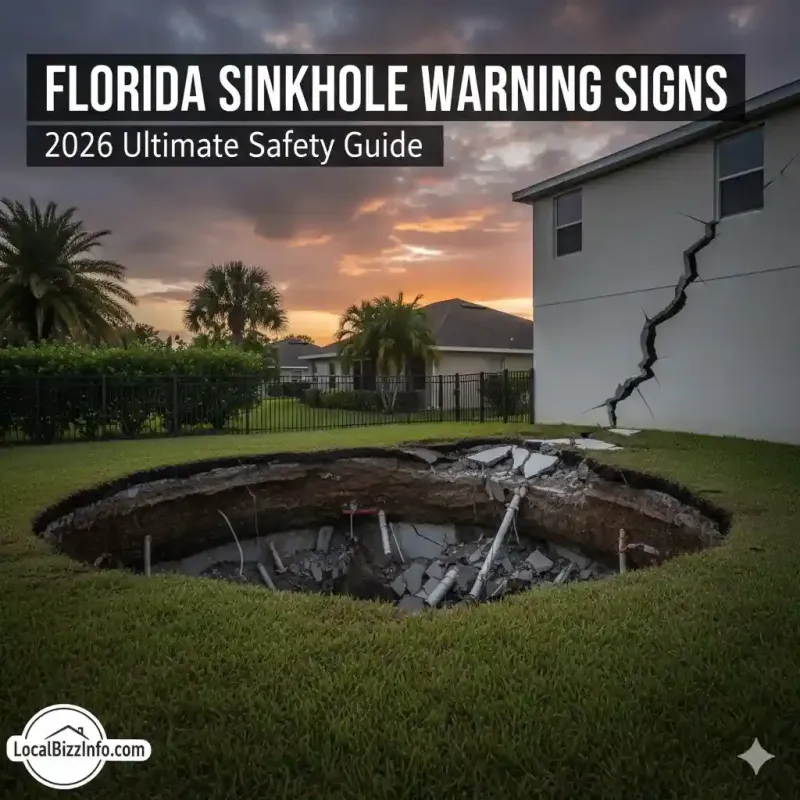
Florida sits atop a foundation of limestone bedrock that's riddled with natural cavities and underground water systems. This porous rock gradually dissolves when exposed to slightly acidic groundwater, creating voids that can eventually collapse—forming the sinkholes Florida is infamous for. According to the Florida Geological Survey, the state experiences more sinkhole activity than any other region in the United States, with the highest concentration in what's known as "Sinkhole Alley" spanning Pasco, Hernando, and Hillsborough counties.
Beyond sinkholes, Florida homeowners contend with expansive clay soils that swell when wet and contract during dry periods. This cyclical movement puts tremendous stress on home foundation repair structures, causing cracks, settlement, and misalignment. The state's high water table compounds these issues, as fluctuating groundwater levels can wash away supporting soil beneath foundations, creating voids that lead to settling.
Hurricane impacts and seasonal flooding introduce additional variables. Heavy rainfall saturates the ground, increasing hydrostatic pressure against foundation walls and potentially causing structural movement. Properties in coastal areas face the added challenge of saltwater intrusion, which accelerates concrete deterioration and weakens structural integrity over time.
These geological and environmental factors make Florida's foundation challenges distinct from other regions. While a homeowner in Arizona might worry primarily about foundation crack repair from soil shrinkage, Florida residents must prepare for a complex combination of subsurface erosion, water damage, and catastrophic events like sinkhole formation. This complexity directly impacts both the types of repairs needed and the associated costs.
For homeowners considering construction & remodeling projects, understanding these underlying geological issues is essential. Any renovation work must account for Florida's unique foundation vulnerabilities to ensure long-term structural safety and investment protection.
Foundation Repair Cost Breakdown 2026
The cost of foundation repair in Florida varies dramatically based on the severity of damage, repair method selected, property size, and accessibility. Current market data for 2026 shows pricing has increased approximately 8-12% compared to previous years, driven by material costs, labor shortages, and increased demand for foundation repair services.
Comprehensive Foundation Repair Cost Table
Repair Type | Cost Range | Average Cost | Timeframe | Complexity |
|---|---|---|---|---|
Minor crack sealing | $500-$1,500 | $800 | 1-2 days | Low |
Foundation crack repair (structural) | $2,000-$6,000 | $3,500 | 2-4 days | Medium |
Crawl space foundation repair | $1,500-$15,000 | $6,000 | 3-7 days | Medium-High |
Pier and beam installation (per pier) | $1,000-$3,000 | $1,500 | Varies | High |
Complete pier system (8-12 piers) | $8,000-$36,000 | $18,000 | 1-2 weeks | High |
Slab jacking/mudjacking | $3,000-$10,000 | $5,500 | 2-3 days | Medium |
Sinkhole stabilization (minor) | $10,000-$25,000 | $15,000 | 1-2 weeks | Very High |
Sinkhole stabilization (major) | $25,000-$80,000+ | $45,000 | 2-4 weeks | Very High |
Foundation wall repair/replacement | $4,000-$12,000 | $7,500 | 1 week | High |
Complete foundation replacement | $20,000-$100,000+ | $50,000 | 4-8 weeks | Very High |
Waterproofing and drainage | $2,000-$8,000 | $4,500 | 3-5 days | Medium |
Foundation leak repair | $1,500-$5,000 | $2,800 | 2-4 days | Medium |
Factors Affecting Foundation Repair Costs
Understanding what influences house foundation repair cost helps homeowners budget appropriately and avoid surprises. Property size is the most obvious factor larger homes require more materials and labor. A 1,200-square-foot home's concrete foundation repair will cost significantly less than treating a 3,500-square-foot property with similar issues.

The extent of damage determines which repair methods are necessary. Surface-level foundation crack repair costs far less than addressing structural settlement requiring underpinning with steel piers. When evaluating home foundation repair cost, contractors assess whether damage is cosmetic or threatens structural integrity.
Accessibility plays a crucial role in pricing. Foundations surrounded by landscaping, pools, or attached structures require more labor to access. Properties with limited equipment access may need manual excavation rather than machinery, substantially increasing labor costs.
Soil conditions and depth to stable bedrock affect pier installation costs. Some Florida locations require piers extending 20-30 feet to reach stable limestone, while others may only need 10-15 feet. Each additional foot of depth adds to the average cost of foundation repair.
The professional services provider you select also impacts pricing. Established companies with strong reputations and comprehensive warranties typically charge 15-25% more than newer or less-established competitors, but often deliver superior workmanship and long-term value.
Permit fees, engineering reports, and soil testing add to the overall investment. Most municipalities require permits for structural repairs, ranging from $200-$1,500 depending on project scope.
Geotechnical engineering assessments, essential for major repairs, cost $1,500-$5,000 but provide critical information about soil stability and optimal repair approaches.
According to HomeAdvisor's 2026 data, Florida homeowners spend an average of $8,200 on foundation repairs, with most projects falling between $4,000 and $15,000. However, sinkhole-related repairs frequently exceed these averages, sometimes reaching six figures for extensive remediation.
Types of Foundation Repairs and Methods
Florida contractors employ various repair techniques depending on the specific foundation problem. Understanding these methods helps homeowners make informed decisions when obtaining quotes from foundation repair companies near me.
Concrete Foundation Repair Techniques
Epoxy Injection: For non-structural foundation crack repair, epoxy injection fills cracks and prevents water infiltration. This method works well for hairline cracks (less than 1/8 inch wide) and costs $500-$1,500 per crack. The liquid epoxy penetrates deeply into concrete, creating a waterproof seal stronger than the surrounding material.
Carbon Fiber Reinforcement: When foundation walls bow or lean inward, carbon fiber strips bonded to the wall surface provide structural reinforcement without invasive excavation. This foundation crack repair services method costs $4,000-$8,000 for typical basement or crawl space applications and offers excellent long-term stability.
Polyurethane Foam Injection: Also called slab jacking or foam jacking, this technique lifts settled concrete slabs by injecting expanding polyurethane foam beneath them. It's less invasive and faster than traditional mudjacking, typically costing $3,000-$8,000 for residential applications. The foam fills voids, stabilizes soil, and raises slabs to their original position.

Pier and Beam Foundation Solutions
Steel push piers, helical piers, and concrete pilings represent the most robust solutions for severe foundation settlement. These systems transfer the home's weight from unstable soil to deeper, more stable strata or bedrock.
Steel Push Piers: Hydraulically driven to bedrock or load-bearing strata, steel piers provide permanent stabilization for settled foundations. Installation involves excavating around the foundation, attaching steel brackets, and driving piers until they reach refusal (stable depth). Costs range from $1,000-$3,000 per pier, with most homes requiring 8-20 piers for complete stabilization.
Helical Piers: These screw-like devices install with rotational force rather than impact, making them ideal for tight access areas or areas where vibration must be minimized. Helical piers work particularly well in Florida's sandy soils and cost similarly to push piers, typically $1,200-$2,800 each.
Concrete Pilings: Traditional yet effective, concrete piers are poured on-site and provide excellent load-bearing capacity. They're often preferred for new construction & remodeling projects but can also remediate existing foundation problems. Costs vary widely based on depth and diameter, generally ranging from $800-$2,500 per pier.
Crawl Space Foundation Repair
Crawl space issues require specialized approaches. Common repairs include installing adjustable steel jack posts to support sagging floor joists ($200-$400 per post), sistering damaged joists ($800-$2,500), and installing vapor barriers to prevent moisture damage ($1,500-$4,000 for materials and installation).
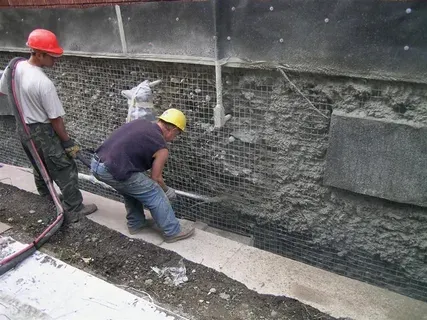
Crawl space foundation repair cost often includes comprehensive waterproofing, drainage improvements, and structural reinforcement. Complete crawl space encapsulation—sealing the space from ground moisture and outside air—costs $5,000-$15,000 but dramatically improves structural longevity and indoor air quality.
The American Society of Civil Engineers provides detailed specifications for residential foundation repair methods, helping homeowners understand whether proposed solutions meet engineering standards. When evaluating foundation repair services, verify that contractors follow ASCE guidelines and local building codes.
Finding the Best Foundation Repair Companies
Selecting qualified foundation repair companies near me requires thorough research and careful vetting. Florida's foundation repair industry includes highly skilled professionals and, unfortunately, some unscrupulous operators who exploit homeowners' fears about structural problems.
Essential Qualifications and Credentials
Start by verifying licensing and insurance. Florida contractors performing structural work must hold appropriate state licenses—typically a General Contractor (CGC) license or Residential Contractor (CRC) license. Request license numbers and verify them through the Florida Department of Business and Professional Regulation.
Insurance coverage should include both general liability ($1 million minimum) and workers' compensation. Request certificates of insurance and verify coverage directly with the insurer. This protects you from liability if workers are injured or property damage occurs during repairs.
Foundation engineering expertise separates competent contractors from mediocre ones. The best foundation repair companies employ or regularly consult licensed professional engineers (PE) who can assess structural issues and design appropriate solutions. Engineering involvement ensures repairs address root causes rather than just symptoms.

Evaluating Company Reputation and Experience
Check ratings and reviews on multiple platforms Google, Better Business Bureau, Angi, and local review sites. Search for patterns in feedback rather than focusing on isolated comments. Companies with consistently positive reviews over several years demonstrate reliable service quality.
The Better Business Bureau provides accreditation ratings and complaint histories. While BBB accreditation isn't mandatory, A+ rated companies with few unresolved complaints generally provide superior customer service. Pay attention to how companies respond to negative reviews professional, constructive responses indicate good business practices.
Experience with Florida-specific foundation challenges is crucial. Ask potential contractors about their experience with sinkhole remediation, limestone bedrock issues, and hurricane-related foundation damage. Companies operating in Florida for 10+ years have weathered various market conditions and developed expertise unavailable to newer entrants.
Questions to Ask During Consultations
Request detailed written estimates from at least three foundation repair services providers. Quality estimates include specific repair methods, materials specifications, project timeline, warranty details, and itemized costs. Vague estimates with round numbers should raise red flags.
Ask about warranty coverage. Reputable companies offer transferable lifetime warranties on structural repairs, typically covering both materials and workmanship. Verify warranty terms in writing and understand what voids coverage.
Inquire about the inspection process. Thorough contractors spend 45-90 minutes examining foundations, crawl spaces, and surrounding areas. They take measurements, photographs, and notes before providing recommendations. Quick 15-minute inspections rarely identify all issues.
Red Flags to Avoid
Pressure tactics indicating you must decide immediately signal potential fraud. Legitimate foundation repair near me providers understand homeowners need time to research options and secure financing. Companies offering "today only" discounts or claiming your home might collapse without immediate repairs likely prioritize sales over service.
Unusually low estimates often indicate substandard materials, inexperienced crews, or hidden costs that emerge mid-project. If one estimate is 40-50% below others, investigate why. The lowest price rarely delivers the best value for structural repairs.
Requests for large upfront deposits before work begins can indicate cash flow problems or fraudulent intent. Standard practice involves modest deposits (10-25% of total cost) with remaining payments tied to project milestones and completion.
Working with qualified professional services providers ensures your foundation repair investment delivers lasting results and genuine structural stability.
Insurance Coverage for Foundation Repairs
A common question homeowners ask is: does home insurance cover foundation repair? The answer is complicated and depends on what caused the foundation damage, your policy specifics, and Florida's unique insurance landscape.
When Insurance Covers Foundation Damage
Standard homeowners insurance policies typically cover foundation repairs if damage results from a covered peril. In Florida, this commonly includes hurricane damage, falling trees, water line breaks, or other sudden, accidental events. If a hurricane uproots a tree that falls on your home and damages the foundation, your policy likely covers repairs.
Flood insurance, purchased separately through the National Flood Insurance Program (NFIP) or private insurers, may cover foundation damage from flooding events. However, coverage limits and exclusions vary, and many policies exclude damage from long-term water infiltration or ground saturation.

Will home insurance cover foundation repair from sinkholes? This depends entirely on your policy. Following widespread sinkhole claims in the early 2010s, Florida legislators modified insurance requirements. Standard policies no longer automatically include sinkhole coverage. Homeowners must request "catastrophic ground cover collapse" coverage (included in standard policies) or optional sinkhole coverage (available for additional premium).
Catastrophic ground cover collapse coverage applies only when:
The ground collapses abruptly
The depression is visible to the naked eye
Structural damage makes the home uninhabitable
A government agency condemns the property
This narrow definition excludes most sinkhole-related foundation issues, as many sinkholes develop gradually without causing immediate collapse.
When Insurance Doesn't Cover Foundation Repairs
Most foundation problems result from excluded causes: normal settling, soil shrinkage/expansion, poor construction, lack of maintenance, or gradual deterioration. Insurance policies explicitly exclude damage from these expected or preventable causes.
Earth movement exclusions prevent coverage for foundation damage from settling, shifting, expanding, or contracting soil the primary causes of most Florida foundation issues. Even if shifting soil creates foundation cracks, standard policies won't cover repairs.
Maintenance-related damage falls squarely on homeowners. If poor drainage, clogged gutters, or deferred maintenance contributed to foundation problems, insurers will deny claims. Regular maintenance and prompt attention to minor issues are your responsibility.
Navigating Insurance Claims for Foundation Damage
If you believe your foundation damage qualifies for coverage, document everything before filing a claim. Take photographs and videos showing damage extent, dates, and progression. Obtain professional assessments from licensed engineers documenting damage causes.
File claims promptly after discovering damage. Most policies require notification within specific timeframes after damage occurs. Delays can jeopardize coverage.
Be prepared for adjuster skepticism. Insurance companies carefully scrutinize foundation claims due to high costs and frequent disputes. Detailed documentation supporting that damage resulted from a covered peril improves approval chances.
Consider consulting a public adjuster or attorney specializing in insurance disputes for denied claims involving substantial damage. Florida's Office of Insurance Regulation provides consumer resources and complaint processes for disputes.
For homeowners requiring insurance services guidance, consulting independent insurance agents familiar with Florida foundation issues can clarify coverage options and identify policies offering better protection.
Alternative Financing Options
Since most foundation repairs aren't covered by insurance, homeowners need alternative financing. Options include:
Home equity loans/lines of credit: Low interest rates and tax-deductible interest make these attractive for qualified borrowers
Personal loans: Unsecured loans avoid using your home as collateral but typically carry higher interest rates
Contractor financing: Many foundation repair companies offer payment plans, though interest rates vary significantly
FHA 203(k) loans: For properties being purchased, these government-backed loans combine purchase and renovation financing
Property Assessed Clean Energy (PACE) loans: Some Florida municipalities offer PACE financing for structural improvements, with repayment through property tax assessments

Emergency Foundation Repair Services
Foundation emergencies require immediate professional attention to prevent catastrophic failure and protect occupant safety. Knowing when to call emergency foundation repair services can mean the difference between manageable repairs and total structural loss.
Recognizing Foundation Emergencies
Certain warning signs indicate imminent danger requiring immediate evacuation and emergency service calls:
Sudden, large cracks appearing in foundation walls or slabs: Cracks wider than 1/4 inch that appear suddenly suggest active structural movement
Rapidly widening existing cracks: If cracks you've monitored for months suddenly grow wider daily, structural failure may be imminent
Severe floor sagging or collapse: Floors dropping noticeably or feeling "bouncy" indicate compromised structural support
Visible sinkhole formation: Depression in your yard approaching your home or forming beneath structures requires immediate assessment
Doors and windows suddenly becoming inoperable: If multiple doors/windows stick or jam simultaneously, significant structural shifting is occurring
Separating walls from ceilings or floors: Gaps between walls and other structural elements indicate dangerous movement
Leaning or bulging foundation walls: Walls bowing inward or outward risk collapse
Water flooding from foundation cracks: Active water intrusion can rapidly worsen foundation damage
For any of these conditions, evacuate the property and contact emergency foundation repair services immediately. Most established companies offer 24/7 emergency response for critical situations.
Emergency Response Process
Emergency foundation repair services in Florida typically respond within 2-4 hours for genuine emergencies. The initial visit focuses on stabilizing immediate dangers rather than permanent repairs.
Temporary stabilization might include installing emergency shoring to prevent wall collapse, pumping out water flooding through foundation cracks, or placing temporary supports under sagging floors. These measures buy time for comprehensive assessment and permanent repair planning.
After stabilization, emergency teams arrange detailed structural engineering inspections to determine damage extent and optimal repair approaches. Emergency service calls cost $300-$800 for initial response, with stabilization work billed separately based on required materials and labor.
Finding Emergency Services
Identify emergency foundation repair services before emergencies occur. Research which foundation repair companies near me offer 24/7 emergency response and save contact information. During actual emergencies, you won't have time for thorough research.
For home & property services emergencies, having pre-established relationships with qualified contractors ensures faster response and greater confidence in service quality.
Maintenance and Prevention Strategies
Proactive maintenance reduces foundation repair costs dramatically by addressing small problems before they escalate. Florida homeowners should implement comprehensive foundation protection strategies adapted to the state's unique challenges.
Water Management and Drainage
Proper water management is the single most effective foundation protection strategy. Ensure your property efficiently channels water away from foundations through:
Grading: Ground should slope away from foundations at least 6 inches over 10 feet of horizontal distance
Gutters and downspouts: Keep gutters clean and direct downspout water at least 5-10 feet from foundations
French drains: Install perimeter drainage systems in areas with persistent water accumulation
Sump pumps: Properties with high water tables benefit from interior or exterior sump systems
Regular gutter cleaning prevents overflow that saturates soil adjacent to foundations. Schedule cleaning at least twice yearly more frequently if you have significant tree cover.

Soil Moisture Consistency
Florida's dramatic wet/dry seasonal cycles cause soil volume changes that stress foundations. Maintaining relatively consistent soil moisture minimizes expansion and contraction:
Soaker hoses: During dry periods, run soaker hoses near foundations to prevent excessive soil drying
Proper irrigation: Avoid overwatering landscaping near foundations, which saturates supporting soil
Root barriers: Install barriers preventing tree roots from extracting moisture from soil supporting foundations
Regular Inspections
Conduct thorough foundation inspections twice yearly, ideally during spring and fall. Look for:
New cracks or widening existing cracks in foundations, walls, or floors
Doors and windows sticking or becoming difficult to operate
Gaps between walls and ceilings or floors
Sloping or sagging floors
Basement or crawl space moisture, mold, or musty odors
Cracks in exterior brick or masonry
Document findings with dated photographs to track changes over time. Small cracks identified early often require only minor foundation crack repair rather than extensive structural work.
Professional Inspections
Beyond DIY inspections, schedule professional foundation assessments every 3-5 years, or more frequently if you've experienced previous foundation issues. Professional inspections by licensed engineers cost $400-$800 but identify problems invisible to untrained observers.
For properties with crawl spaces, annual professional inspections are particularly important, as hidden moisture and structural problems often develop unnoticed.
Working with qualified cleaning & maintenance professionals ensures regular attention to drainage systems, gutters, and other components critical for foundation protection. Some homeowners also utilize IT & tech services for smart home moisture monitoring systems that alert them to water intrusion or excessive humidity that threatens foundations.
Frequently Asked Questions About Florida Foundation Repair
How much does foundation repair cost in Florida?
Florida foundation repair costs range from $500 for minor crack sealing to over $80,000 for major sinkhole stabilization. The average homeowner spends between $4,000 and $15,000 on foundation repairs, with the median cost around $8,200. Factors affecting your specific cost include damage severity, repair method required, property size, soil conditions, and accessibility. Minor cosmetic cracks cost $500-$1,500 to repair, while structural issues requiring pier installation typically cost $8,000-$36,000 for complete systems. Sinkhole-related repairs frequently exceed $20,000 and can reach six figures for extensive remediation.
Is foundation repair worth it when buying a home?
Worth getting quote on foundation repair home purchase decisions depends on several factors. Foundation issues discovered during home inspections provide negotiating leverage—you can request seller-funded repairs, purchase price reductions, or repair credits at closing. The decision to purchase a home with foundation problems should consider: repair cost estimates from multiple contractors, whether damage indicates ongoing structural issues or one-time events, and local market conditions. Generally, homes with repairable foundation issues resolved before closing offer good value if purchase prices reflect repair costs. However, homes with active sinkholes, major structural damage, or evidence of repeated foundation failures should be approached cautiously or avoided entirely.
What are signs I need foundation repair?
Common warning signs include: cracks in foundation walls, floors, or basement walls (especially cracks wider than 1/4 inch or growing wider); doors and windows sticking, jamming, or showing gaps when closed; sloping, sagging, or uneven floors; separation between walls and ceilings or floors; cracks in exterior brickwork or masonry; water intrusion or dampness in basements or crawl spaces; visible gaps around window or door frames; chimneys tilting or separating from homes; and porches or attached structures pulling away from main structures. In Florida specifically, watch for depressions forming in yards, circular patterns of cracked soil, or small ponds forming where they didn't exist previously—all potential sinkhole indicators.
How long does foundation repair take?
Project duration varies by repair complexity. Minor foundation crack repair takes 1-2 days, while comprehensive pier installation systems require 1-2 weeks. Crawl space repairs typically take 3-7 days. Major sinkhole stabilization can extend 2-4 weeks or longer. Complete foundation replacement represents the longest timeline at 4-8 weeks. Weather delays are common in Florida due to frequent rainfall, potentially extending scheduled timelines. Most contractors provide timeline estimates during consultations, but homeowners should budget additional time for unexpected complications, permit delays, or material delivery issues.
Can I get multiple quotes for foundation repair?
Absolutely obtaining multiple quotes is strongly recommended for foundation repair projects. Request detailed written estimates from at least three qualified foundation repair companies. Quality estimates include specific repair methods proposed, materials specifications, project timeline, warranty details, and itemized costs. Comparing multiple proposals helps you understand market pricing, identify unreasonably high or suspiciously low bids, and evaluate different approaches to addressing your foundation issues. Be wary of contractors who discourage competitive bidding or pressure you to sign contracts immediately. Reputable professionals understand homeowners need time to research options and make informed decisions on such significant investments.

Does homeowners insurance cover foundation issues?
Standard homeowners insurance typically excludes foundation damage from common causes like settling, soil movement, or gradual deterioration. Insurance may cover foundation repairs if damage results from covered perils such as hurricanes, falling trees, or sudden water line breaks. Sinkhole coverage in Florida requires either "catastrophic ground cover collapse" coverage (included in standard policies but narrowly defined) or optional sinkhole coverage (available for additional premium). Most foundation problems result from excluded causes, meaning homeowners bear repair costs. Review your specific policy and discuss coverage with your insurance agent to understand what protection you have. For disputed claims, consider consulting with public adjusters or attorneys specializing in insurance issues.
What's the difference between foundation repair companies?
Foundation repair companies vary significantly in expertise, methods, quality, and pricing. Key differentiators include: licensing and insurance verification, years of experience in Florida markets, engineering expertise on staff or regularly consulted, repair methods and technologies utilized, warranty offerings (lifetime transferable warranties indicate confidence in workmanship), customer reviews and complaint histories, project portfolio and references, and transparency in estimates and communication. The best foundation repair companies employ licensed engineers, use proven repair methods, offer comprehensive warranties, maintain strong customer service records, and provide detailed written estimates. Lower-priced companies may cut corners on materials, employ inexperienced crews, or offer limited warranties. Investing in established, reputable providers typically delivers superior long-term value despite higher upfront costs.
Conclusion
Florida foundation repair costs in 2026 reflect the state's unique geological challenges and the specialized expertise required to address them effectively. From minor crack repairs costing a few hundred dollars to comprehensive sinkhole stabilization exceeding $80,000, understanding your options empowers informed decision-making.
The key to managing foundation repair costs is proactive maintenance, early problem detection, and working with qualified professionals. Regular inspections, proper water management, and prompt attention to warning signs prevent minor issues from escalating into major structural failures requiring extensive repairs.
When foundation problems occur, obtain multiple detailed estimates from licensed, insured contractors with proven Florida experience. Verify credentials, check references, and insist on comprehensive warranties. While cost is certainly a factor, the lowest bid rarely delivers the best value for structural repairs that protect your home's integrity and safety.
For comprehensive resources on home repairs, maintenance services, and professional contractors, visit LocalBizzInfo for trusted guidance on protecting your most valuable investment.