
Every year thousands of American homeowners fall victim to contractor scams, losing an average of $5,000 to $25,000 on botched renovations, disappearing contractors, or unlicensed workers who leave projects half-finished. The nightmare stories are everywhere: a new deck that collapses within months, a kitchen remodel that drags on for a year, or worse a contractor who takes your deposit and vanishes without a trace.
But here is the truth: hiring a reliable contractor doesn't have to be a gamble. With the right knowledge and a systematic approach you can protect your investment ensure quality work, and avoid the headaches that come with poor contractor choices.
This comprehensive guide will walk you through every critical step of selecting a trustworthy home contractor in 2026 from initial research to contract signing. Whether you are planning a bathroom remodel, roof replacement, or full home renovation, these proven strategies will help you make an informed decision and hire with confidence.
Understanding the Current Contractor Landscape in 2026
The home improvement industry in the United States is booming, with homeowners spending over $450 billion annually on renovations and repairs. However, this growth has also attracted opportunistic operators who prey on unsuspecting homeowners. The rise of online platforms has made it both easier to find contractors and more challenging to separate legitimate professionals from fraudsters.
Licensed contractors are held to specific standards that vary by state, but unlicensed workers continue to operate in gray areas, often offering attractive low prices that ultimately cost homeowners far more in the long run.
Research Local Contractors Thoroughly
Your contractor search should begin weeks even months before you're ready to start your project. Rushing this process is one of the biggest mistakes homeowners make.
Where to Find Reputable Contractors
Better Business Bureau (BBB): Start here to check contractor ratings, read customer complaints, and see how businesses respond to issues. A BBB accreditation isn't mandatory, but an A+ rating with few unresolved complaints is a positive sign.
Angie's List (now Angi): This platform provides verified contractor reviews from real customers, along with pricing information and detailed ratings across multiple categories.
HomeAdvisor: Offers pre-screened contractors and customer reviews, though remember that contractors pay to be listed on this platform**.**
TekMaglistings: A local listing platform that has listings about local buildings , real estate and also related to home and contraction .
Thumbtack: Good for getting multiple quotes quickly and reading recent customer feedback.
Local Building Department: Your city or county building department can provide information about contractors who frequently pull building permits in your area as a sign of legitimate, code-compliant work**.**
Personal Referrals: Ask neighbors, friends, family, and coworkers about their experiences. Drive around your neighborhood and look for active construction projects and talk to homeowners about their contractors while work is in progress**.**
The Power of Multiple Sources
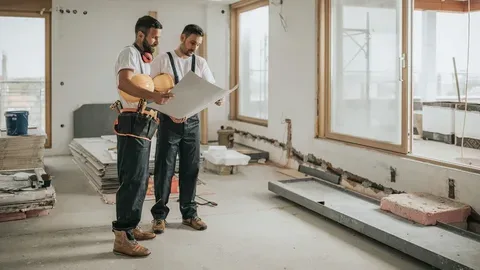
Never rely on a single review source. Cross-reference information across multiple platforms. A contractor with excellent reviews on their website but poor BBB ratings should raise immediate concerns. Similarly, be cautious of contractors with only glowing 5-star reviews authentic feedback includes occasional 4-star reviews with minor criticisms.
Verify Licensing Requirements State-by-State
This is non-negotiable. Every state has different licensing requirements for contractors, and working with an unlicensed contractor can void your insurance, violate local codes, and leave you with zero legal recourse if something goes wrong.
State-Specific Licensing Examples
California: The Contractors State License Board (CSLB) regulates all contractors. License numbers begin with a letter indicating specialty (e.g., "B" for General Building Contractor). Verify licenses at www.cslb.ca.gov.
Arizona: The Registrar of Contractors (ROC) oversees licensing. Contractors must be licensed for projects over $1,000. Check licenses at roc.az.gov.
Texas: Texas doesn't require a state contractor license, but many cities (like Houston, Austin, and San Antonio) have their own licensing requirements. Always check your municipality's requirements.
Florida: The Department of Business and Professional Regulation oversees contractor licensing. Verify at myfloridalicense.com.
New York: The Department of Consumer Affairs handles licensing in New York City, while other regions may have different requirements.
How to Verify a License
Ask for the license number upfront legitimate contractors provide this immediately
Visit your state's licensing board website and use their verification tool
Check the license status (active, expired, suspended)
Review any disciplinary actions or complaints filed
Verify the license classification matches your project type (general contractor, electrical, plumbing, etc.)
Some contractors will claim they're "license exempt" for small jobs. Research your state's threshold while some states exempt very small projects (typically under $500-$1,000), most home renovation projects require licensing.
Insurance and Bonding Your Financial Safety Net
A contractor's license tells you they're authorized to work. Their insurance and bonding tell you that you're protected if something goes wrong.
Types of Insurance to Verify
General Liability Insurance: Covers property damage and injuries that occur during your project. Minimum coverage should be $1 million, though many reputable contractors carry $2 million or more.
Workers' Compensation Insurance: Protects you from liability if a worker is injured on your property. In most states, contractors with employees must carry workers' comp. If they don't have employees, get this in writing.
Bonding: A surety bond (typically $10,000-$25,000) protects you if the contractor fails to complete the job, doesn't pay subcontractors, or violates contract terms. You can file a claim against the bond to recover losses.
How to Verify Insurance and Bonding
Never accept a contractor's word that they're insured. Always request:
Certificate of Insurance (COI) naming you as an additional insured
Direct contact information for their insurance company
Verification of current coverage with policy dates
Call the insurance company directly to confirm the policy is active. Fraudulent certificates are surprisingly common, and a simple phone call can save you enormous liability.

The Contractor Interview Process
Once you've narrowed your list to 3-5 contractors who pass the licensing and insurance checks, it's time for in-depth interviews. Professional contractors expect this and will welcome your questions.
10 Critical Questions to Ask Every Contractor
How long have you been in business under your current company name? Look for established businesses with a track record. Be cautious of contractors who frequently change business names—this can indicate they're running from poor reviews or legal issues.
Can you provide references from projects completed in the last 6 months? Recent references matter more than old ones. Ask to speak with at least three clients whose projects were similar to yours in scope and budget.
Do you handle permits, or is that my responsibility? Professional contractors typically handle all building permits. If they say permits aren't necessary for your project, verify this independently with your local building department.
Who will be the primary point of contact during my project? Clarify whether you'll work directly with the owner or a project manager, and get their contact information.
Will you use subcontractors? If so, are they licensed and insured? Many contractors subcontract specialty work (electrical, plumbing). Ensure all subs are also licensed and insured.
What is your typical project timeline, and what could cause delays? Realistic contractors acknowledge potential delays (weather, material availability, permit approvals). Be wary of overly optimistic timelines.
How do you handle changes or unexpected issues during construction? Understand their change order process and how additional costs are calculated and approved.
What warranties do you offer on labor and materials? Most reputable contractors warranty their workmanship for at least one year. Material warranties vary by manufacturer.
How do you handle payment? We'll discuss payment schedules in detail below, but never hire a contractor who demands full payment upfront or only accepts cash.
Can you provide proof of your license, insurance, and bonding right now? If they hesitate or make excuses, walk away immediately.
Trust Your Instincts
Beyond these questions, pay attention to how contractors communicate. Are they responsive? Do they listen to your concerns? Are they pushy or respectful of your timeline? Professional contractors are consultative, not salesy. They're busy enough that they don't need to pressure you into a quick decision.
Recognizing Red Flags and Common Scams
Even with thorough research, some contractors are skilled at deception. Watch for these warning signs:
Major Red Flags That Should End the Conversation
Demanding full or large upfront payments: Legitimate contractors typically request 10-30% down, with subsequent payments tied to project milestones. Never pay more than 50% before work begins, and never pay in full before completion.
Pressure tactics and "limited time offers": "I can start tomorrow if you sign today" or "This price is only good for the next hour" are classic high-pressure sales tactics. Quality contractors are scheduled out weeks or months in advance.
No written contract or vague contracts: A professional always provides a detailed written contract. Verbal agreements are worthless in disputes.
"Cash only" or "Pay cash and save on taxes": This is illegal tax evasion, and it means you'll have no paper trail for warranty claims, insurance disputes, or legal action.
Arriving unsolicited after a storm: "Storm chasers" follow natural disasters, offering quick repairs at inflated prices. They often do shoddy work and disappear when problems arise.
No physical business address: Contractors operating from P.O. boxes or only providing cell phone numbers are difficult to track down if issues develop.
Unusually low bids: If one bid is 40-50% lower than others, be suspicious. They may be cutting corners, planning to add costs later, or simply scamming you.
No online presence or terrible reviews: In 2026, every legitimate contractor has some online presence. Complete absence or consistently terrible reviews (across multiple platforms) are red flags.
Requesting permits in your name: Contractors should pull permits under their license. If they ask you to get permits, they may be unlicensed or trying to avoid liability.
The "Door-to-Door" Contractor Scam
Never hire contractors who knock on your door unsolicited. This is one of the oldest and most common scams. Legitimate contractors have more work than they can handle through referrals and marketing they don't need to drum up business door-to-door.

Understanding and Negotiating Contracts
A solid contract protects both you and your contractor. Never start work without one, regardless of how much you trust the contractor or how small the job seems.
Essential Elements of a Professional Contract
Every contract for home improvement work should include:
Detailed Scope of Work: Specific descriptions of all work to be performed, including materials (brands, models, colors), dimensions, and quality standards. "Install new kitchen cabinets" is too vague. "Install 18 linear feet of Kraftmaid Vantage maple cabinets in Cognac finish" is specific.
Project Timeline: Start date, substantial completion date, and final completion date. Include language about weather delays and how timeline extensions are handled.
Total Cost Breakdown: Itemized list showing labor, materials, permits, and any other costs. This prevents "surprise" expenses later.
Payment Schedule: Tied to specific milestones, not arbitrary dates. Example:
10% deposit upon contract signing
25% upon project start and delivery of materials
30% at project midpoint (defined clearly)
25% upon substantial completion
10% final payment after your inspection and punch-list completion
Change Order Process: Written procedure for handling modifications to the original scope, including how changes are priced and approved. All change orders should be in writing and signed by both parties.
Warranty Information: Specific warranties for workmanship and materials, including duration and what's covered.
Permits and Inspections: Statement of who obtains permits and schedules required inspections.
Cleanup and Disposal: Who handles daily cleanup and final debris removal.
Lien Waiver: Protection ensuring you're not responsible if the contractor fails to pay subcontractors or suppliers. Request conditional lien waivers at each payment and a final unconditional lien waiver at project completion.
Termination Clause: Conditions under which either party can terminate the contract and how that's handled financially.
Dispute Resolution: Process for handling disagreements (mediation, arbitration, or litigation).
Contract Negotiation Tips
Read everything carefully before signing—never sign a contract under pressure
Cross out and initial any blank spaces to prevent additions later
Ask questions about anything unclear
Keep the original contract in a safe place
Request copies of all permits once they're obtained
Document everything in writing, including all communications about changes
Local Context and State-Specific Considerations
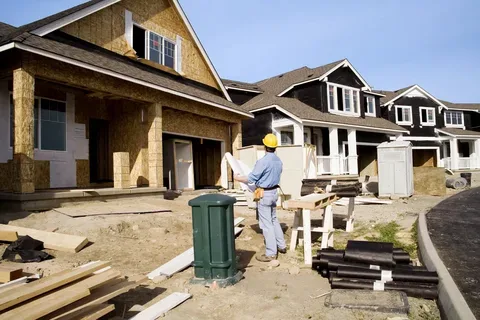
Home improvement regulations vary dramatically across the United States. What's required in California may not apply in Texas, and vice versa.
Regional Variations to Consider
Hurricane-Prone Regions (Florida, Gulf Coast): Look for contractors experienced with wind mitigation and building codes specific to high-wind areas. Verify they understand current Florida Building Code requirements if you're in that state.
Earthquake Zones (California, Pacific Northwest): Contractors should be knowledgeable about seismic retrofitting and earthquake-resistant construction techniques.
Cold Climates (Northern States): Insulation requirements, heating systems, and foundation frost depth considerations require specialized knowledge.
HOA Communities: If you live in a homeowners association, your contractor must understand and comply with HOA architectural guidelines and approval processes.
State-Specific Resources
California: CSLB provides extensive homeowner resources at cslb.ca.gov
Texas: Check local municipality requirements (state doesn't license)
Florida: DBPR offers contractor verification and complaint filing at myfloridalicense.com
New York: NYC Department of Consumer Affairs has specific contractor resources
Arizona: ROC provides homeowner protection and education at roc.az.gov
Managing Your Project: Best Practices
Once you have hired your contractor, active management ensures the best results.
Stay Involved Without Micromanaging
Schedule regular check-ins (daily or weekly depending on project scope)
Visit the job site regularly but avoid constant hovering
Document progress with photos at each stage
Communicate concerns immediately in writing
Maintain a project journal logging all communications, decisions, and observations
Hold payment until each milestone is satisfactorily completed
The Importance of Inspections
Don't skip inspections to save time or money. Municipal inspections ensure code compliance and catch problems before they're covered up. Your contractor should schedule and pass all required inspections. Request copies of all inspection reports.
Consider hiring an independent inspector for final inspection before making your final payment this typically costs $300-$500 but can identify deficiencies worth thousands.
Protecting Your Home Investment in 2026
Choosing a reliable contractor requires time, diligence, and careful attention to detail but it's one of the most important decisions you'll make as a homeowner. The difference between a trustworthy professional and a fly-by-night operator can mean the difference between a beautiful, functional renovation and a financial disaster.
Remember these key principles:
✓ Always verify licensing through your state's official channels
✓ Confirm insurance and bonding independently
✓ Check multiple review sources and speak with recent references
✓ Never skip the written contract regardless of project size
✓ Trust your instincts if something feels wrong, it probably is
✓ Understand your state's specific requirements for contractors and permits
The payment schedule you negotiate, the contractor reviews you read, and the home renovation tips you follow all contribute to a successful project outcome. Take your time, do your research, and don't let anyone pressure you into a hasty decision.
Your next step: Start building your contractor shortlist today using the resources in this guide. Create a spreadsheet to track license verification, insurance confirmation, and references for each candidate. The extra effort you invest now will save you countless headaches and potentially thousands of dollars down the road.