Surviving Phoenix Heat: Your 2026 HVAC Cost Guide
When your AC dies in Phoenix during a 115°F summer day, it's not an inconvenience it's an emergency. With temperatures regularly exceeding 100°F for six months straight, your HVAC system isn't a luxury here. It's survival equipment.
But 2026 brings major changes to the HVAC industry that every Phoenix homeowner needs to understand. New refrigerant regulations, rising equipment costs, and the ongoing repair-versus-replacement debate make this the most important time to get educated about your HVAC options.
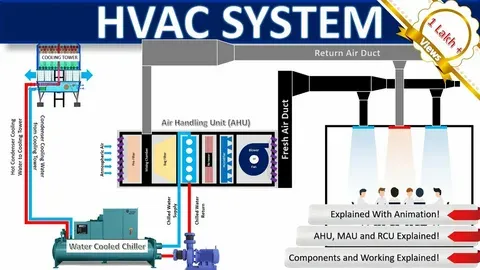
According to Trane's residential HVAC guide, HVAC stands for Heating, Ventilation, and Air Conditioning a comprehensive technology that regulates indoor temperature, humidity, and air quality in buildings. In Phoenix, where your AC runs nearly year-round, understanding these systems and their costs can save you thousands of dollars.
This complete guide breaks down everything Phoenix homeowners need to know about HVAC system costs in 2026, from emergency repairs to complete system replacements.
What's Changed in 2026? (New Regulations You MUST Know)
The Refrigerant Revolution
Starting January 1, 2026, federal regulations mandated that all new HVAC systems must use low-GWP (Global Warming Potential) refrigerants like R-32 and R-454B instead of the older R-410A refrigerant.
What This Means for You:
Old systems (R-410A) are getting MORE expensive to repair as refrigerant supplies dwindle
New systems (R-32/R-454B) cost $1,000-$1,200 MORE than 2025 models
You CAN'T just replace refrigerant—old systems can't use new refrigerants without complete replacement
Repair decisions are more critical than ever before
Rising Replacement Costs
HVAC system costs have nearly doubled since 2019. What used to cost $6,000-$8,000 now runs $12,000-$15,000+ for complete system replacement. This dramatic increase is pushing more Phoenix homeowners toward repair over replacement, even when replacement might be the smarter long-term choice.
The key is understanding when repair makes sense and when you're throwing good money after bad.

Phoenix HVAC System Cost Breakdown (2026 Pricing)
Complete Cost Table
Service Type | Cost Range | Phoenix Average | Timeline | Best For |
|---|---|---|---|---|
REPAIR SERVICES | ||||
Diagnostic fee | $75-$150 | $100 | 1 hour | All issues |
Refrigerant recharge | $200-$600 | $400 | 2-3 hours | Minor leaks |
Compressor replacement | $1,500-$3,000 | $2,000 | 4-6 hours | Systems under 8 years |
Condenser coil replacement | $900-$2,500 | $1,500 | 4-5 hours | Moderate damage |
Evaporator coil replacement | $800-$2,000 | $1,200 | 3-4 hours | Indoor unit issues |
Blower motor replacement | $400-$1,500 | $800 | 2-3 hours | Airflow problems |
Capacitor replacement | $150-$400 | $250 | 1-2 hours | Won't start issues |
Thermostat replacement | $150-$500 | $300 | 1-2 hours | Temperature control |
REPLACEMENT SYSTEMS | ||||
2-Ton system (small home) | $3,000-$6,000 | $4,200 | 1-2 days | Under 1,200 sq ft |
3-Ton system (medium home) | $4,500-$9,000 | $6,500 | 1-2 days | 1,200-1,800 sq ft |
4-Ton system (large home) | $6,000-$12,000 | $8,500 | 2-3 days | 1,800-2,400 sq ft |
5-Ton system (very large) | $7,500-$15,000 | $10,500 | 2-3 days | 2,400+ sq ft |
PREMIUM OPTIONS | ||||
High-efficiency system (18+ SEER2) | $8,000-$18,000 | $12,000 | 2-3 days | Max energy savings |
Dual-zone system | $9,000-$20,000 | $13,500 | 3-4 days | Multi-story homes |
Complete system + ductwork | $12,000-$25,000 | $17,000 | 4-7 days | Older homes |
Prices based on 2026 Phoenix market rates with new R-32/R-454B refrigerants
Popular HVAC Systems Available in Phoenix
Based on current Home Depot Phoenix inventory, here are real prices for systems available now:
Budget-Friendly Options:
Goodman R-32 System: $2,750 (15% off regular price)
MRCOOL VersaPro 2 Ton: $2,686
Basic 2.5-Ton heat pump: $2,890
Mid-Range Quality:
MRCOOL VersaPro 3 Ton: $3,251 (16.1 SEER2)
Costway 3-Ton system: $3,733 (19 SEER2, 8% off)
Standard 4-Ton system: $3,856
Premium Performance:
MRCOOL Hyper Heat 2.5 Ton: $3,674 (extreme climate rated)
Costway 5-Ton system: $4,771 (17 SEER2, 7% off)
High-efficiency 5-Ton: $4,185
Installation NOT included—add $1,500-$4,000 for professional hvac system installation depending on complexity.
Repair vs Replace: The $5,000 Rule Explained
What Is the $5,000 Rule for HVAC?
The $5,000 Rule is a simple decision-making framework HVAC professionals use to determine whether repair or replacement makes financial sense.
Here's How It Works:
Repair Cost × Age of System = Decision Number
If number is UNDER $5,000 → Repair makes sense
If number is OVER $5,000 → Replace the system
Real Phoenix Example:
Your 12-year-old AC needs a $600 compressor repair.
Calculation: $600 × 12 years = $7,200
Decision: REPLACE (number exceeds $5,000)
Your 5-year-old AC needs a $600 compressor repair.
Calculation: $600 × 5 years = $3,000
Decision: REPAIR (number under $5,000)

When to REPAIR Your Phoenix HVAC System
Repair Makes Sense When:
✅ System is under 8 years old (plenty of life left)
✅ Repair costs under $1,500 (relatively minor issue)
✅ System still uses R-410A AND refrigerant available
✅ Only one component failed (not multiple problems)
✅ You maintain it regularly (filter changes, annual service)
✅ Energy bills haven't spiked (still efficient)
Common Repairs Worth Making:
Capacitor replacement: $150-$400
Thermostat issues: $150-$500
Blower motor replacement: $400-$1,500
Minor refrigerant recharge: $200-$600
Condensate drain cleaning: $100-$300
These repairs typically extend system life 3-5 additional years at reasonable cost, making them smart investments for newer systems.
When to REPLACE Your Phoenix HVAC System
Replacement Makes Sense When:
❌ System is 10+ years old (average lifespan 10-15 years in Phoenix heat)
❌ Repair costs exceed $2,500 (approaching replacement cost)
❌ Multiple components failing (cascading failure pattern)
❌ Energy bills climbing despite repairs (losing efficiency)
❌ Using outdated refrigerant (R-22 especially)
❌ Frequent breakdowns (more than 2 repairs per year)
❌ Poor cooling performance even after repairs
Warning Signs You Need Replacement:
Strange noises (grinding, squealing, banging)
Moisture or leaks around unit
Uneven cooling (some rooms hot, others cold)
Excessive dust despite clean filters
System running constantly without reaching temperature
Age plus repair cost exceeds $5,000 (the rule)
Phoenix's extreme heat accelerates HVAC wear and tear. Systems here work harder and fail faster than cooler climates, making the 10-year mark particularly critical for replacement decisions.

Types of HVAC Systems Available in Phoenix
Understanding Your Options
According to HGTV's HVAC guide, there are three main types of hvac systems commonly installed in Phoenix homes.
1. Split System HVAC (Most Common)
What It Is: The traditional setup with an outdoor condenser unit and indoor air handler connected by refrigerant lines.
Phoenix Pros:
Most cost-effective: $4,500-$12,000 installed
Works with existing ductwork
Available in all efficiency ratings
Easy to service and repair
Phoenix Cons:
Requires ductwork (expensive if you don't have it)
Less efficient if ducts poorly sealed
Outdoor unit exposed to brutal desert sun
Best For: Most Phoenix homes with existing ductwork
2. Ductless Mini-Split Systems
What It Is: Individual air handlers in each room connected to outdoor compressor, no ducts needed.
Phoenix Pros:
25-30% more efficient than ducted systems
Zone cooling (cool only rooms you use)
Perfect for additions or homes without ducts
Precise temperature control per room
Phoenix Cons:
Higher upfront cost: $6,000-$20,000
Indoor units visible on walls
Multiple outdoor units for large homes
More complex installation
Best For: Older homes without ducts, room additions, zone cooling needs
3. Packaged HVAC Systems
What It Is: All components in single outdoor unit, common in commercial buildings and some manufactured homes.
Phoenix Pros:
Compact design (all outside)
Good for mobile homes
Easy maintenance access
Weather-resistant cabinet
Phoenix Cons:
Limited residential options
More expensive than split systems
Entire system exposed to elements
Higher failure rate in extreme heat
Best For: Mobile homes, manufactured homes, commercial properties

Energy Efficiency & Phoenix Electric Bills
Understanding SEER2 Ratings (2026 Standard)
The new SEER2 (Seasonal Energy Efficiency Ratio 2) rating replaced the old SEER rating in 2023, providing more accurate efficiency measurements.
SEER2 Rating Guide for Phoenix:
SEER2 Rating | Efficiency Level | Annual Cooling Cost | Best For |
|---|---|---|---|
13.4-14.3 | Minimum legal | $1,800-$2,200 | Budget buyers |
15-16 | Standard | $1,400-$1,700 | Most homes |
17-18 | High efficiency | $1,100-$1,300 | Energy-conscious |
19-22 | Premium | $900-$1,100 | Maximum savings |
23+ | Ultra premium | $800-$900 | Luxury homes |
Based on average Phoenix home (1,800 sq ft) with 6 months of heavy AC use
Energy Savings Calculation:
Upgrading from 14 SEER2 (older system) to 18 SEER2 (new system):
Old system annual cost: $2,000
New system annual cost: $1,200
Annual savings: $800
Payback period: 10-12 years (if replacement costs $10,000)
Arizona Energy Rebates & Incentives
Phoenix homeowners can access multiple rebate programs to offset new hvac system cost:
SRP (Salt River Project) Rebates:
High-efficiency AC: Up to $400
Smart thermostat: $75-$175
Duct sealing: $150-$300
Annual savings: Up to $1,000
APS (Arizona Public Service) Rebates:
ENERGY STAR AC: Up to $450
Programmable thermostat: $50-$125
Home energy audit: Free
Cool roof rebate: Up to $250
Federal Tax Credits (2026):
30% tax credit on qualifying systems (up to $2,000)
Must be 16+ SEER2 or higher
Installation included in credit calculation
Total Potential Savings: New $12,000 system with all rebates:
Federal tax credit: $2,000
Utility rebate: $450
Net cost: $9,550 (19% savings)
To learn more about energy efficiency programs, check with your home & property services provider about available incentives.

Finding the Best HVAC Companies in Phoenix
What to Look For
Phoenix has hundreds of HVAC contractors, but quality varies dramatically. Here's how to find the best hvac system installation professionals:
Essential Qualifications:
✅ Arizona ROC license (Registrar of Contractors)
✅ 10+ years Phoenix experience (understands local climate)
✅ Manufacturer certifications (Trane, Carrier, Lennox, etc.)
✅ Liability insurance ($1M minimum)
✅ Worker's compensation (protects you from liability)
✅ BBB A+ rating (check complaint history)
Red Flags to Avoid:
❌ No physical Phoenix address (fly-by-night operators)
❌ Pressure tactics ("today only" pricing)
❌ Unusually low estimates (40%+ below competitors)
❌ Cash-only payments
❌ No written contract or warranty
❌ Won't provide references
Getting Multiple Quotes
Best Practice for HVAC Quotes:
Get 3-5 written estimates from licensed contractors
Compare apples to apples (same tonnage, SEER2, warranties)
Ask about total cost (equipment + installation + permits)
Verify warranty coverage (parts AND labor duration)
Check online reviews (Google, Yelp, Angi)
Don't automatically choose cheapest (quality matters)
Questions to Ask Every Contractor:
What size system does my home need? (Manual J calculation)
What SEER2 rating do you recommend for Phoenix?
What's included in your installation?
Do you handle permits and inspections?
What's your warranty on labor?
How long will installation take?
When can you start?
For comprehensive contractor vetting, our guide on professional services selection provides additional tips for finding qualified experts.
Emergency HVAC Repair in Phoenix
When You Need 24/7 Service
Phoenix summers are brutal, and AC failures don't wait for business hours. Emergency hvac system repair services cost more but become necessary when:
Call Emergency Services Immediately If:
🚨 Complete system failure during 100°F+ days
🚨 Indoor temperature exceeding 90°F (health hazard)
🚨 Elderly or young children in home (vulnerable populations)
🚨 Medical conditions requiring climate control
🚨 Electrical burning smell (fire hazard)
🚨 Refrigerant leaks (harmful chemical exposure)
Emergency Service Costs:
After-hours service fee: $150-$300
Weekend/holiday premium: $200-$400
Emergency diagnostic: $125-$200
Plus regular repair costs
Cost-Saving Emergency Tips:
Before calling emergency services, try these:
Check thermostat batteries
Verify breaker hasn't tripped
Replace air filter (clogged filters cause failures)
Check outdoor disconnect switch (accidentally turned off)
Clear debris from outdoor unit
If these don't work, you need professional emergency hvac system maintenance.
Phoenix Summer Survival Guide
While Waiting for Repairs:
Close blinds/curtains (blocks heat)
Use fans to circulate air
Stay hydrated (drink water constantly)
Avoid cooking (generates heat)
Consider temporary window AC unit
Check into hotel if elderly/vulnerable
Temporary Cooling Options:
Portable AC units: $300-$700 (rent for $50-$100/day)
Window units: $200-$500
Evaporative coolers: $100-$300 (work in dry Phoenix climate)
Phoenix heat is no joke. The CDC reports dozens of heat-related deaths annually in Maricopa County, making emergency HVAC services literally lifesaving.
Financing Your HVAC System
Can You Finance a New HVAC System?
Yes! Most Phoenix homeowners finance hvac systems rather than paying cash upfront. Several options exist:
1. Manufacturer Financing
Offered through Trane, Carrier, Lennox dealers
0% APR for 12-60 months (with approved credit)
Deferred interest (pay in full before term ends)
Easy approval process
2. Contractor Payment Plans
Direct financing through HVAC company
6-24 month terms typically
Interest rates: 0-12% APR
May require down payment
3. Home Equity Loan/HELOC
Lowest interest rates (5-8% APR)
Tax-deductible interest
Longer terms (5-15 years)
Uses home as collateral
4. Personal Loans
No collateral required
7-15% APR typically
2-7 year terms
Quick approval
5. Credit Cards
0% intro APR cards (12-18 months)
Rewards/cashback possible
High rates after intro period
Best for small repairs
Financing Example:
$10,000 new system:
0% for 60 months = $167/month
6% HELOC for 5 years = $193/month
10% personal loan for 5 years = $212/month
Credit card 18% APR = $254/month (paying off in 5 years)
Best Way to Finance: Take manufacturer 0% APR if available, otherwise use home equity for lowest total cost. Many insurance services also cover HVAC system failures under home warranty policies—check your coverage before financing.

HVAC Maintenance: Extending System Life in Phoenix
Why Maintenance Matters More in Phoenix
Phoenix's extreme heat makes hvac system maintenance absolutely critical. Systems here work 2-3x harder than moderate climates, accelerating wear and reducing lifespan.
Regular Maintenance Schedule:
Monthly (DIY):
Change/clean air filters
Check thermostat operation
Clear debris from outdoor unit
Verify airflow from vents
Quarterly (DIY or Pro):
Inspect condensate drain
Clean outdoor coils
Check refrigerant lines for damage
Test system cooling performance
Annually (Professional Required):
Complete system inspection ($125-$200)
Refrigerant level check/adjustment
Electrical connection testing
Coil cleaning (indoor and outdoor)
Blower motor lubrication
Condensate drain flush
Thermostat calibration
Annual Maintenance Cost: $150-$250 Savings from Maintenance: $300-$800/year in prevented repairs
DIY Maintenance Tips
Safe DIY Tasks:
✅ Filter Changes (every 30-60 days in Phoenix dust)
Standard filters: $5-$15
HEPA filters: $15-$30
Washable filters: $25-$50 (reusable)
✅ Outdoor Unit Cleaning
Turn off power first
Spray gently with hose (top to bottom)
Don't bend fins
Remove leaves, debris, weeds
✅ Thermostat Programming
Set "away" temperature higher when gone
Use programmable schedules
Upgrade to smart thermostat ($150-$300)
❌ DON'T DIY These:
Refrigerant handling (requires EPA certification)
Electrical repairs (shock hazard)
Component replacement (voids warranty)
Coil pressure cleaning (damage risk)
For professional cleaning & maintenance services, schedule annual tune-ups before Phoenix summer hits (March-April optimal).
Frequently Asked Questions
How much does a new HVAC system cost in Phoenix?
Complete new hvac system cost in Phoenix ranges from $4,500 to $15,000+ depending on home size and system type. A typical 1,800 sq ft home needs a 3-4 ton system costing $6,500-$9,000 installed with standard efficiency. High-efficiency systems (18+ SEER2) cost $8,000-$12,000. Budget options start around $4,500 for basic 2-ton systems, while premium 5-ton systems reach $15,000+. Prices include equipment, installation, permits, and basic warranties. Add $1,000-$3,000 if ductwork needs replacement.
What is the best HVAC system for Phoenix heat?
The best hvac system for Phoenix prioritizes high SEER2 ratings (17+) for efficiency, proven heat performance in 115°F+ temperatures, and reliable brands like Trane, Carrier, or Lennox. Look for systems with:
Two-stage or variable-speed compressors (better temperature control)
High SEER2 rating (17-22 optimal for Phoenix)
10-year parts warranty minimum
Desert-rated outdoor units (sun/dust resistant)
Smart thermostat compatibility
Split systems work best for most Phoenix homes with existing ductwork. Mini-splits excel for zone cooling or homes without ducts. Avoid cheapest options—reliability matters more than initial cost in Phoenix's demanding climate.
How long do HVAC systems last in Phoenix?
HVAC systems in Phoenix last 10-15 years on average, shorter than the national 15-20 year average due to extreme heat and extended usage. Well-maintained systems can reach 15-18 years, while neglected units fail around 8-10 years. Factors affecting lifespan:
Regular maintenance (adds 3-5 years)
Quality of installation (poor install reduces life 20-30%)
System size (oversized units cycle frequently, reducing lifespan)
Usage intensity (Phoenix AC runs 6+ months heavy)
Brand quality (premium brands last longer)
Plan for replacement when systems reach 12-15 years, as efficiency drops and repairs become frequent.
Should I repair or replace my 10-year-old AC?
For a 10-year-old AC in Phoenix, replacement usually makes more financial sense than major repairs. Apply the $5,000 rule: multiply repair cost × age. If the result exceeds $5,000, replace. Example: $600 repair × 10 years = $6,000 (replace). Also replace if:
Repair costs exceed $2,000
System uses R-22 refrigerant (being phased out)
Energy bills have increased 20%+ despite maintenance
Multiple components failing
Cooling performance declining
Minor repairs under $1,000 might be worth it if the system otherwise performs well, but start budgeting for replacement within 2-3 years.
What rebates are available for new AC in Phoenix?
Phoenix homeowners can access multiple new hvac system financing and rebate programs in 2026:
SRP Rebates:
High-efficiency AC: $300-$400
Smart thermostat: $75-$175
Total possible: $575
APS Rebates:
ENERGY STAR system: $350-$450
Programmable thermostat: $50-$125
Total possible: $575
Federal Tax Credit:
30% of cost (max $2,000)
16+ SEER2 required
Example Total Savings: $10,000 system:
Federal credit: $2,000
Utility rebate: $400
Net cost: $7,600 (24% savings)
Visit utility websites or ask contractors about available rebates—most handle paperwork for customers.

How do I choose an HVAC contractor in Phoenix?
Choose HVAC contractors by verifying Arizona ROC license, checking 10+ years Phoenix experience, reading online reviews (Google, BBB, Yelp), comparing 3-5 written estimates, asking about warranties (10+ years parts, 1-2 years labor minimum), and verifying insurance coverage. Avoid contractors with pressure tactics, unusually low bids (40%+ below competitors), no physical address, or poor online reviews. Best contractors provide free estimates, detailed written proposals, manufacturer certifications, and customer references. Ask about Manual J load calculations—proper sizing is critical for Phoenix performance and efficiency.
Take Action: Your Next Steps
Phoenix's brutal summer heat doesn't wait, and neither should you when it comes to HVAC decisions. Whether you're facing emergency repairs or planning a proactive replacement, understanding costs and options protects your family and your wallet.
Immediate Action Steps:
If Your AC Is Working:
✅ Schedule annual maintenance (March-April optimal)
✅ Change filters monthly
✅ Check system age (plan for replacement if 10+ years)
✅ Research rebates and financing options
✅ Get quotes from 3 contractors for future reference
If Your AC Is Struggling:
✅ Get professional diagnostic ($75-$150)
✅ Apply the $5,000 rule to repair decisions
✅ Compare repair vs replacement costs
✅ Check warranty coverage
✅ Consider energy savings of new systems
If Your AC Failed: 🚨 Call emergency service (24/7 available) 🚨 Implement temporary cooling 🚨 Protect vulnerable household members 🚨 Get multiple replacement quotes 🚨 Explore financing options
Need More Home Service Guidance?
For more expert advice on home improvements and services, visit LocalBizzInfo for trusted resources covering everything from HVAC to smart home installation and foundation repairs.
Explore Our Service Categories:
Home & Property Services - Complete home maintenance
IT & Tech Services - Smart HVAC systems
Professional Services - Licensed contractors
Construction & Remodeling - HVAC installation during renovations
Insurance Services - Home warranty coverage
Cleaning & Maintenance - HVAC maintenance services