
If you own a home in Texas, you already know this state is not easy on houses. Scorching summers push air conditioning systems to their limits. Expansive clay soil shifts, cracks, and heaves with every rain cycle, quietly damaging foundations year after year. Severe hailstorms and sudden freezes can destroy a roof or burst a pipe with almost no warning.
The result? Texas homeowners consistently face home repair costs that run higher than the national average and those costs are climbing further in 2026 as labor rates, material prices and demand from the state's rapidly growing population continue to rise.
Whether you are a first-time homeowner in Dallas trying to build a realistic maintenance budget, a Houston homeowner staring at foundation cracks, or someone who just bought an older home and doesn't know where to start. This guide gives you the real numbers, regional context, and practical advice you need.
What Texas Homeowners Actually Spend on Repairs: 2026 Overview
Nationally, homeowners spend between $1,500 and $4,000 per year on maintenance and repairs. In Texas, that range shifts upward. Due to climate extremes, soil conditions, and the sheer size of most Texas homes, the realistic annual maintenance budget for a Texas homeowner is closer to $2,000 to $6,000 per year depending on home age, size, and location.
The widely used 1% Rule says homeowners should budget 1% of their home's purchase price annually for repairs and maintenance.
Pro Tip: If you bought a home for $70,000, a standard estimate for yearly repairs is 1% of the purchase price around $700 per year. However, in Texas, we strongly recommend budgeting 1.5% to 2% due to climate extremes, foundation risk, and the high cost of HVAC systems that run nearly year-round. For a $300,000 Texas home, that means setting aside $4,500 to $6,000 annually.
For a more complete picture of what Americans spend nationwide, see our guide on average home repair costs across America in 2026.

Texas Home Repair Cost Table 2026 (Quick Reference)
Repair Type | Average Cost (Texas 2026) | Typical Frequency |
|---|---|---|
AC Capacitor / Fan Motor Repair | $300 – $600 | Every 3–5 years |
Full HVAC System Replacement | $6,000 – $13,000 | Every 15–20 years |
Foundation Crack Sealing | $500 – $2,500 | Every 5–10 years |
Foundation Piering (Full Repair) | $3,500 – $15,000 | Once in 20 years |
Roof Patch / Leak Repair | $400 – $1,200 | Post-storm |
Full Roof Replacement (Asphalt) | $8,000 – $20,000 | Every 20–30 years |
Electrical Panel Upgrade | $1,500 – $4,000 | Once in 25 years |
Plumbing Leak Repair | $200 – $1,000 | Every few years |
Water Heater Replacement | $1,000 – $3,000 | Every 8–12 years |
Window Replacement (per window) | $300 – $800 | Every 20–25 years |
Interior Painting (whole home) | $2,500 – $6,000 | Every 7–10 years |
Fence Repair / Replacement | $500 – $4,000 | Every 10–15 years |
General Annual Maintenance | $2,000 – $6,000 | Every year |
HVAC and Air Conditioning Costs in Texas
No home system is more critical or more heavily used in Texas than the HVAC system. In cities like Houston, Dallas, San Antonio, and Austin, air conditioners run for 7 to 9 months of the year. That extended usage cycle means Texas HVAC systems wear out faster and require more frequent servicing than in cooler states.
Common AC Repair Costs in Texas
Capacitor or fan motor replacement: $300–$600 one of the most common summer repairs
Refrigerant recharge: $200–$600 depending on the type of refrigerant
Evaporator or condenser coil cleaning: $150–$400
Thermostat replacement: $150–$350 installed
Ductwork repair or sealing: $300–$1,500 depending on accessibility
Full HVAC Replacement
When an older system fails beyond economical repair, Texas homeowners face replacement costs ranging from $6,000 to $13,000 for a standard central air and heat system. Larger homes or those requiring higher-efficiency units (SEER 16+) can push costs above $15,000.
Texas summers also create peak demand for HVAC contractors from May through September. Scheduling replacements or non-emergency repairs in October through March can save you 10–20% compared to summer emergency calls.
See Also: 2026 HVAC Installation Cost Guide for Dallas, TX for Dallas-specific pricing and contractor tips.
Foundation Repair Costs in Texas
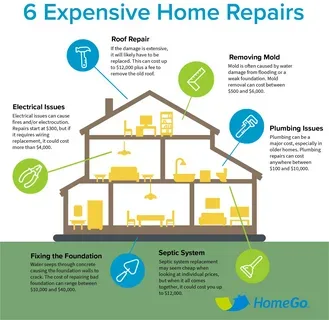
Foundation damage is the single most common and most expensive home repair issue facing Texas homeowners and it's driven almost entirely by the state's expansive clay soil.
Why Texas Has a Foundation Problem
Texas sits on some of the most challenging soil in North America. Clay-heavy soil expands dramatically when wet and contracts sharply when dry. During drought periods which are increasingly common in Central and North Texas this soil pulls away from foundations, allowing them to shift, crack, and sink. During heavy rains, the same soil swells, pushing upward against the foundation from different angles.
The result is a constant cycle of movement that, over years and decades, causes serious structural damage to homes built on pier-and-beam or slab foundations alike.
Foundation Repair Cost Ranges in Texas
Minor crack sealing and patching: $500–$2,500
Mudjacking / slab lifting: $1,500–$5,000
Steel pier installation (per pier): $1,200–$1,800 most jobs require 8–15 piers
Full foundation repair with piering: $3,500–$15,000 for average homes; $20,000+ for severe cases
Drainage correction (French drain, grading): $1,500–$6,000 often required alongside foundation work
See Also: Foundation Repair Cost in Houston, TX: 2026 Pricing Guide for Houston-Specific Soil Conditions, Contractor Recommendations, and Red Flags to watch for.
Warning Signs You Need Foundation Repair
Doors and windows that stick or won't close properly
Visible cracks in drywall, especially diagonal cracks near door frames
Uneven or sloping floors
Gaps between walls and ceilings
Exterior brick cracks in a stair-step pattern
If you see two or more of these signs, have a licensed foundation specialist inspect your home before the problem worsens.

Roofing Costs in Texas
Texas is one of the most hail-prone states in the country. The corridor running from Dallas-Fort Worth through San Antonio sometimes called Hail Alley sees some of the highest rates of severe hailstorms in the United States. Add in high winds, occasional hurricane impacts in coastal areas, and the intense UV exposure from the Texas sun, and it's clear why roofs take a beating here.
Roof Repair vs. Roof Replacement Costs
Minor leak repair or shingle patch: $400–$1,200
Hail damage repair (partial): $800–$3,000 depending on extent
Full roof replacement — asphalt shingles (avg. 2,000 sq ft home): $8,000–$16,000
Impact-resistant shingles (Class 4): $12,000–$22,000 but can qualify for insurance discounts
Metal roof replacement: $18,000–$35,000+ longer lifespan, better wind resistance
Many Texas homeowners with hail or wind damage can file homeowner's insurance claims to offset repair or replacement costs. If a storm has recently hit your area, contact your insurer before calling a contractor a legitimate insurance claim can cover most or all of your replacement cost.
See Also: 2026 Texas Roof Replacement Cost Guide for a full breakdown of materials, contractor selection, and insurance claim tips specific to Texas.
Plumbing Repair Costs in Texas
Texas plumbing presents a unique mix of challenges. In South Texas, hard water mineral buildup clogs pipes and destroys water heaters prematurely. In North Texas and the Panhandle, winter freezes like the catastrophic February 2021 storm can burst pipes throughout an entire home, causing tens of thousands of dollars in damage.
Common Plumbing Costs
Leak repair (minor): $200–$600
Burst pipe repair: $500–$2,500 depending on location and access
Water heater replacement (tank): $1,000–$2,500
Tankless water heater installation: $2,000–$4,500
Whole-home water softener: $1,000–$3,000 installed highly recommended in hard water areas
Sewer line camera inspection: $150–$300 worth doing on any home over 20 years old
Sewer line repair or replacement: $3,000–$10,000+
Freeze Protection Reminder
Every Texas homeowner should know how to shut off their main water supply. In winter weather warnings, let faucets drip slightly and open cabinet doors under sinks on exterior walls to keep pipes warm. The cost of prevention is zero. The cost of a burst pipe plus the water damage that follows can easily reach $10,000 to $30,000.
Electrical Repair Costs in Texas
Electrical costs in Texas are broadly in line with national averages, though the high demand for HVAC systems means electrical panels and wiring are under more stress than in most other states.
Common Electrical Costs in Texas
Outlet or switch replacement: $100–$300
GFCI outlet installation (required near water sources): $150–$300
Circuit breaker replacement: $150–$400
Electrical panel upgrade (100A to 200A): $1,500–$4,000
Whole-home rewiring (older homes): $8,000–$20,000+
EV charger installation: $800–$2,000 installed increasingly popular in Texas metros
Homes built before 1980 should have their electrical panels inspected. Many older panels (Federal Pacific, Zinsco brands) are known safety hazards and should be replaced regardless of visible problems.
General Home Maintenance Checklist for Texas Homeowners
Preventive maintenance is your best financial tool. Catching issues early consistently costs less than emergency repairs.
For a complete annual maintenance schedule specific to North Texas conditions, see our Ultimate Dallas, TX Home Maintenance Checklist: 2026 Guide.
Key annual maintenance tasks for Texas homeowners include:
HVAC filter replacement every 1–3 months during heavy use seasons
AC tune-up every spring before summer heat ($75–$150)
Roof inspection after every major hailstorm and annually in spring
Foundation moisture management — maintain consistent soil moisture around the perimeter year-round
Gutter cleaning twice per year to prevent water infiltration
Water heater flush annually to remove sediment buildup
Caulking and weatherstripping check every fall before winter
Dallas vs. Houston vs. San Antonio: Regional Price Differences
Not all Texas cities cost the same for home repairs. Here's a quick comparison:
Repair Category | Dallas–Fort Worth | Houston | San Antonio | Austin |
|---|---|---|---|---|
HVAC Replacement | $7,000–$13,000 | $6,500–$12,500 | $6,000–$11,000 | $7,500–$14,000 |
Foundation Repair (avg.) | $8,000–$14,000 | $6,000–$12,000 | $5,500–$11,000 | $7,000–$13,000 |
Roof Replacement | $9,000–$18,000 | $8,500–$17,000 | $8,000–$15,000 | $9,500–$19,000 |
Plumber Hourly Rate | $100–$175/hr | $90–$165/hr | $85–$155/hr | $110–$185/hr |
Dallas and Austin tend to run slightly higher due to stronger contractor demand driven by population growth. Houston benefits from a larger contractor market with more competition. San Antonio generally offers the most competitive pricing among major Texas metros.
Repair vs. Replace: Texas-Specific Decision Framework
The standard 50% rule applies in Texas as everywhere else if repair costs exceed 50% of replacement cost, replace. But Texas adds some unique considerations:
For HVAC: If your system is over 12 years old and needs a major repair, replacement is almost always the smarter move. Texas summers simply burn through older systems faster than the national average.
For foundations: Foundation repair is seldom a DIY project and seldom optional. Ignoring foundation issues in Texas clay soil means exponentially higher repair costs every year you delay.
For Roofs: If your roof is over 15 years old and has suffered hail damage, a full replacement especially with Class 4 impact-resistant shingles is often the right call. Many Texas insurance companies now offer premium discounts of 15–30% for impact-resistant roofing materials.
Mobile Home Repair Costs in Texas
Mobile and manufactured homes represent a significant portion of the Texas housing market, particularly in rural areas and smaller cities. Repair costs for mobile homes differ from traditional homes in several important ways.
Mobile home roof repair is especially different. Most manufactured homes use a flat or low-slope roof with a rubber or aluminum coating rather than traditional shingles. Options include:
Roof coating/resealing: $500–$2,000 appropriate for minor leaks and general weatherproofing
Metal roof over-installation: $3,000–$8,000 a permanent solution that adds structural value
Full roof replacement: $4,000–$10,000 depending on home size
Mobile home foundations (typically pier-and-tie or slab) are also vulnerable to Texas soil movement, though repair costs are generally lower than for site-built homes typically $1,500–$6,000 for most leveling and stabilization work.
What Homeowners Insurance Does and Does NOT Cover in Texas
This is one of the most misunderstood topics in home ownership. Your homeowner's insurance policy is not a maintenance plan.
Texas homeowner's insurance typically DOES cover:
Sudden and accidental damage (hail, wind, fire, burst pipes from a freeze event)
Storm damage to roof, siding, and windows
Water damage from a sudden internal leak (not slow leaks)
Liability for accidents on your property
Texas homeowner's insurance does NOT cover:
Normal wear and tear (aging pipes, deteriorating roof, old HVAC)
Gradual water damage from a slow leak you didn't fix
Foundation damage caused by soil movement (in most standard policies)
Flood damage (requires separate flood insurance through NFIP)
Pest damage (termites, rodents)
Mold resulting from neglected maintenance
Are home repairs tax deductible in Texas? Generally, routine repairs and maintenance are not tax deductible for your primary residence. However, certain capital improvements such as installing an energy-efficient HVAC system, adding solar panels, or upgrading insulation may qualify for federal tax credits under current IRS energy efficiency programs in 2026. Always consult a licensed tax professional for your specific situation.
Cost-Saving Tips for Texas Homeowners in 2026
Schedule HVAC service in March or April before summer demand spikes and contractor availability drops
Get 3 written quotes for any repair over $500 prices vary widely in Texas markets
Join a home warranty plan ($400–$700/year) to cap exposure on major system failures
Check Texas utility rebates many Texas utilities offer rebates for high-efficiency HVAC, smart thermostats, and insulation upgrades
Maintain soil moisture around your foundation year-round a soaker hose system ($200–$500 installed) can prevent thousands in foundation damage
Inspect your roof after every hailstorm catching damage early keeps a $600 repair from becoming a $15,000 replacement
Frequently Asked Questions: Texas Home Repair Costs 2026
Q: What is the average annual home repair cost for a Texas homeowner? Texas homeowners should budget between $2,000 and $6,000 per year for maintenance and repairs on an average single-family home. Due to climate extremes and soil conditions, this is higher than the national average of $1,500–$4,000.
Q: Are home repair costs tax deductible in Texas? Routine repairs on your primary residence are generally not tax deductible. However, qualifying capital improvements including energy-efficient HVAC systems, solar installations, and certain insulation upgrades may qualify for federal tax credits in 2026. Consult a tax professional for guidance specific to your situation.
Q: What does Texas homeowners insurance NOT cover? Standard Texas homeowner's insurance does not cover normal wear and tear, gradual water damage from slow leaks, soil movement-related foundation damage, flood damage, pest damage, or mold from deferred maintenance. Insurance covers sudden and accidental damage not routine aging of your home's systems.

Conclusion
Texas is an incredible state to own a home in but it demands more from its houses, and more from its homeowners, than most places in America. Between the relentless summer heat, the challenging clay soil, the hailstorms, and the occasional hard freeze, the repair and maintenance budget for a Texas home needs to be realistic and proactive.
The homeowners who come out ahead financially are the ones who plan for 1.5–2% of their home's value annually, schedule preventive maintenance before problems escalate, get multiple contractor quotes, and understand exactly what their insurance does and does not cover.
Use the cost tables and regional comparisons in this guide as your starting point and revisit them each year as the market evolves.
Last updated: February 2026. All cost ranges reflect Texas-specific contractor data and regional market conditions as of early 2026. Actual project costs will vary based on home size, condition, specific location, and contractor availability. Always obtain multiple written estimates from licensed Texas contractors before authorizing any repair work.