Living in a Dallas Historic District whether it s the craftsman bungalows of Junius Heights or the grand estates of Swiss Avenue comes with a unique set of challenges. When the Texas summer hits 100°F+, maintaining a lush, green lawn is not just exhausting it is expensive.
Furthermore, homeowners in zip codes like 75206, 75214, and 75208 must navigate strict Landmark Commission guidelines before making any outdoor changes. This guide explores the best low-maintenance landscaping ideas for 2026 that satisfy both the Dallas historic ordinances and your desire for an easy-to-care-for front yard.
Understanding Dallas Historic District Ordinances
Before you pick up a shovel, you must know about the Certificate of Appropriateness (CA). In Dallas, major landscaping changes in historic areas require approval to ensure the streetscape remains authentic to the early 20th century.
Junius Heights & Winnetka Heights: These districts often prohibit front-yard fences and require a specific ratio of green space to hardscaping.
Munger Place: Known for its large front porches, landscaping here should enhance, not hide, the architectural pillars.
Expert Tip: Always check with the Dallas Office of Historic Preservation before replacing grass with gravel, as some districts have strict limits on non-vegetative cover.
Low-Maintenance Landscaping Trends for 2026
Texas Native Perennial Borders
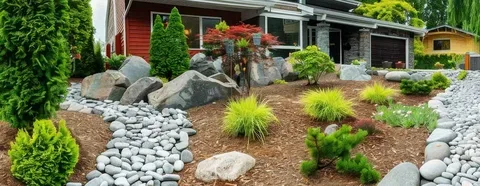
The most effective way to reduce maintenance is to use plants that actually belong in North Texas. Native perennials are drought-tolerant and disease-resistant.
Best Plants: Texas Lantana, Autumn Sage Salvia greggii, and Mealy Blue Sage.
Why it works: These plants provide the Cottage Garden aesthetic that historic boards love while requiring 70% less water than traditional turf.
The No-Mow Revolution: Zoysia and Buffalograss
If you want the look of a traditional lawn without the weekly mowing, 2026 is all about smarter grass species.
Zoysia Empire: Slow-growing, soft, and thrives in the partial shade of old Dallas Oak trees.
Buffalograss: A true Texas native that stays short and requires minimal fertilization.
Smart Hardscaping with Flagstone & River Rock
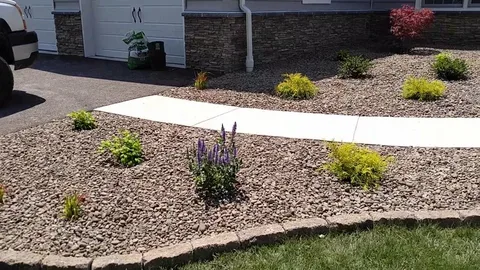
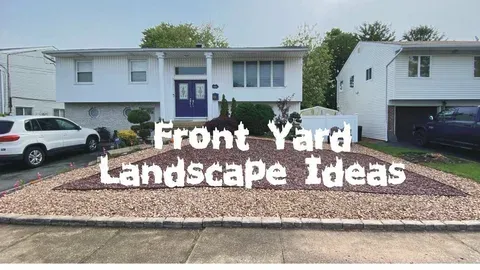
Replacing high-maintenance grass patches with permeable hardscaping is a game-changer.
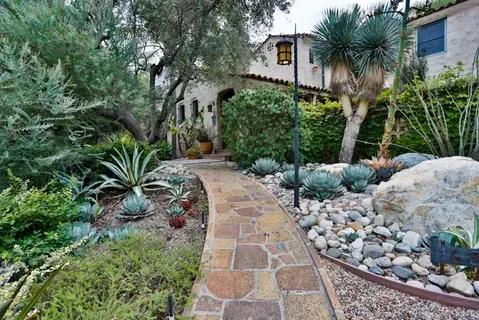
Design Idea: Create a winding flagstone path through a bed of shredded cedar mulch.
Pro-Tip: Shredded mulch is better than wood chips for Dallas Historic Districts as it stays in place during heavy spring thunderstorms.
Neighborhood-Specific Landscaping Comparison
Neighborhood | Historic Style | Recommended Low-Maintenance Element |
|---|---|---|
Swiss Avenue | Italianate / Tudor | Formal Boxwood hedges (dwarf varieties) & Gravel paths. |
Junius Heights | Craftsman | Native wildflower meadows & wooden planter boxes. |
Winnetka Heights | Prairie School | Ornamental grasses like Little Bluestem & Yucca. |
Munger Place | American Foursquare | Foundation plantings like Dwarf Yaupon Holly. |
Estimated Landscaping Costs in Dallas (2026)
Landscaping costs in the Dallas-Fort Worth (DFW) area vary by project complexity and material quality.
Project Type | Avg. Cost (Dallas 75214) | Maintenance Level |
|---|---|---|
Full Native Conversion | $3,500 - $6,500 | Very Low |
Smart Drip Irrigation | $1,500 - $3,000 | Automated |
Hardscape Entry Path | $2,000 - $5,000 | Zero |
For homeowners looking to balance their outdoor upgrades with indoor efficiency, see our guide on HVAC Installation Cost in Dallas.
How to Get Your Landscaping Project Approved
Consult the Ordinance: Visit the Dallas City Hall Historic Preservation page to find your specific district’s rules.
File a CA Application: Provide photos of your current yard and a simple sketch of your new design.
Focus on Appropriateness: Ensure your plant choices match the era of your home (e.g., no tropical palm trees for a 1920s Craftsman).
Internal Link: Need help finding a pro for the job? Read our guide on How to Choose a Reliable Home Contractor in the USA.
Conclusion: Preserve the History Save the Effort
You don’t have to be a slave to your lawn to live in a beautiful historic Dallas home. By integrating native Texas plants, smart irrigation, and historically accurate hardscaping, you can boost your property value and curb appeal without spending every Saturday under the scorching sun.
For more local Dallas home service guides and cost breakdowns, visit LocalBizzInfo.com.
FAQs About Low Maintenance Front Yard Ideas for Dallas Historic District
Q1: Do I need a permit for landscaping in a Dallas Historic District?
A: Yes. Most major changes, including new fences, walkways, or large-scale planting bed alterations, require a Certificate of Appropriateness (CA) from the Dallas Office of Historic Preservation. Small routine gardening (like planting seasonal flowers) usually does not require a permit.
Q2: What are the best drought-tolerant plants for North Texas soil?
A: Texas Lantana, Autumn Sage, Red Yucca, and Mexican Feather Grass are excellent choices. These native species thrive in Dallas’s heavy clay soil and require minimal watering once established.
Q3: Can I replace my grass with gravel in a historic district?
A: It depends on your specific district ordinance. While some allow small gravel paths, most districts (like Winnetka Heights) have a minimum "green space" requirement to maintain the neighborhood's historic character.
Q4: How much does it cost to convert a yard to native plants in Dallas?
A: For a standard front yard in zip codes like 75214 or 75206, a professional native plant conversion typically ranges from $3,500 to $6,500, depending on the size and existing soil condition.